The bathroom is the most dangerous room in the house for seniors. Wet surfaces, hard tile and porcelain, cramped spaces, and the physical demands of bathing and toileting create a perfect storm of fall risks. Nearly 80% of home falls among older adults happen in the bathroom.
The good news: you do not need a $15,000 walk-in shower renovation to make meaningful improvements. The modifications in this guide can be done in a single afternoon with basic tools, and most cost under $50 each.
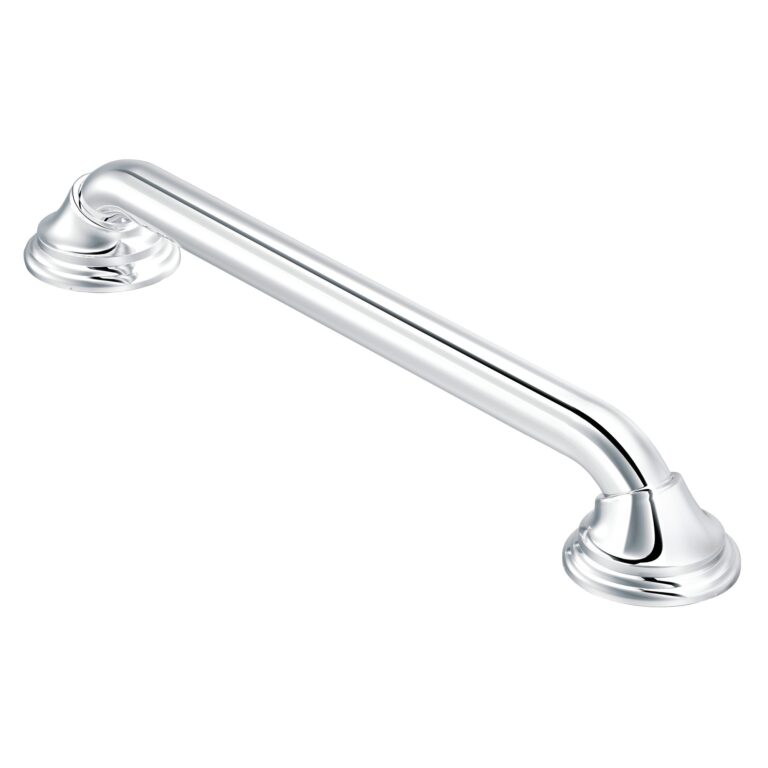
Moen Home Care SecureMount Grab Bar 16″
Tool-free suction grab bar with 300lb capacity
Check Price on AmazonGrab Bars: The Single Most Effective Modification
If you do only one thing from this guide, install grab bars. They are inexpensive, easy to install, and dramatically reduce fall risk. Studies consistently show that properly placed grab bars are the most cost-effective fall prevention intervention available.
The Moen SecureMount grab bars look nothing like the institutional chrome rails you might picture from a hospital. They come in brushed nickel, matte black, and chrome finishes that match modern bathroom fixtures. Some styles double as towel bars, so they serve a practical function and blend into the decor. This matters because your parent is far more likely to use a grab bar that does not make the bathroom feel like a medical facility.
Where to Install Grab Bars
Next to the toilet (priority #1): Getting up from a low toilet seat is one of the highest-risk movements for seniors. Install a horizontal or angled bar on the wall beside the toilet, about 33-36 inches from the floor. The person should be able to reach it easily while seated and use it to pull themselves to a standing position.
Inside the shower or tub (priority #2): Install two bars here. Place a vertical bar at the entry point where they step in and out. This gives them something to grip while stepping over the tub edge, which is the single most common bathroom fall scenario. Place a horizontal bar along the back wall at about chest height for stability while standing under the water.
Near the sink: A bar beside or below the mirror gives something to hold while leaning forward to wash hands or brush teeth. This is especially helpful for anyone with balance issues or dizziness from blood pressure medications.
Installation Tips
Always mount into wall studs. This is non-negotiable. A grab bar that pulls out of the wall when weight is applied is worse than no grab bar at all. Use a stud finder to locate the studs, and use the mounting screws that come with the bar (they are specifically rated for the load).
If the studs are not in the right location, use wall anchors rated for at least 250 pounds. Moen includes these with their bars, and they work on drywall and plaster. For tile walls, you will need a masonry drill bit to get through the tile before reaching the stud or using an anchor.
A handyman can install three grab bars in about an hour for roughly $100-150 in labor. If you are comfortable with a drill, you can do it yourself. Just make sure to test each bar with your full body weight before considering it installed.
Lighting: Eliminate the Dark Bathroom Trip
The nighttime trip to the bathroom is when most home falls happen. Your parent is groggy, possibly disoriented from sleep medications, and navigating from bed to bathroom in the dark. By the time they reach for the light switch (if they bother), they have already crossed the most dangerous part of the journey.
Motion-activated lighting solves this completely. The Philips Hue Motion Sensor detects movement and instantly turns on connected lights. For the bathroom use case, the key is setting the right brightness and color temperature.
Nighttime settings (critical): Configure the sensor to activate lights at 10-20% brightness with a warm color temperature (2200K-2700K) during nighttime hours. This provides enough light to see safely without the blinding effect of full brightness that disrupts sleep. Many seniors avoid turning on lights at night because the sudden brightness is painful. Soft, automatic lighting removes that barrier.
Placement strategy: Put one sensor in the hallway outside the bedroom, pointed toward the bedroom door. When your parent’s feet hit the floor and they move toward the door, the hallway illuminates. A second sensor at the bathroom door activates the bathroom light before they step onto the tile. The result: a fully lit path from bed to bathroom without touching a single switch.
Quick Wins That Cost Almost Nothing
Beyond grab bars and lighting, these simple changes make an immediate difference:
Remove Throw Rugs (Free)
Every bath mat and decorative rug in the bathroom is a tripping hazard. Replace them with adhesive non-slip strips or a mat with strong suction cups on the bottom. If your parent insists on a rug, use industrial-strength double-sided carpet tape to secure it completely flat to the floor.
Add Non-Slip Strips to the Tub ($5-15)
Self-adhesive non-slip strips on the tub or shower floor provide traction on wet surfaces. Apply them in parallel rows about 3 inches apart across the full standing area. Replace them every 6-12 months as the texture wears down.
Raise the Toilet Seat ($25-40)
A raised toilet seat adds 3-5 inches of height, reducing the depth of the squat needed to sit down and the effort needed to stand up. Models with armrests provide even more support. This is one of the most effective modifications for anyone with knee, hip, or back problems. No tools required for installation. They clamp onto the existing toilet bowl.
Install a Handheld Shower Head ($20-40)
A handheld shower head on a flexible hose allows your parent to shower while seated on a shower chair. This eliminates the need to stand and reach overhead under slippery conditions. Most handheld heads install by simply unscrewing the existing shower head and screwing on the new one. No plumber needed.
Get a Shower Chair or Transfer Bench ($30-80)
If standing in the shower is unsteady, a shower chair provides a stable seated option. For tubs, a transfer bench straddles the tub wall so the person can sit on the bench outside the tub and slide across, rather than stepping over the high edge. This eliminates the most common bathtub fall scenario entirely.
The One-Afternoon Bathroom Safety Project
Here is a realistic plan for making a parent’s bathroom meaningfully safer in a single visit:
- 10 minutes: Remove all throw rugs and bath mats. Replace with non-slip strips or suction-cup mats.
- 20 minutes: Install a raised toilet seat with arms.
- 45 minutes: Install grab bars (next to toilet and in shower/tub). This is the longest task, mainly because of stud-finding and drilling through tile if applicable.
- 15 minutes: Swap the shower head for a handheld model.
- 15 minutes: Set up a Hue Motion Sensor in the hallway and bathroom doorway.
- 10 minutes: Apply non-slip strips inside the tub.
Total time: roughly two hours. Total cost: $200-400 depending on grab bar finish and whether you add a shower chair. The impact on safety is enormous.
Frequently Asked Questions
My parent says they do not need grab bars. How do I convince them?
This is common, especially if they have not had a fall yet. Avoid framing it as “you need this because you are getting older.” Instead, try: “I am putting in some new towel bars and updating the bathroom hardware.” Many modern grab bars genuinely look like decorative towel bars, so this framing is not even a stretch. You can also point out that grab bars increase home value, which appeals to practical-minded parents.
We rent the apartment. Can I still install grab bars?
Many landlords will allow grab bar installation for senior tenants, especially with a doctor’s note. Under the Fair Housing Act, landlords are required to allow reasonable disability-related modifications at the tenant’s expense. Offer to patch and repaint when you move out. Suction-cup grab bars exist as a temporary alternative, but they are significantly less reliable and should not be trusted as a primary support.
Are walk-in tubs worth the investment?
Walk-in tubs cost $5,000-15,000 installed and require significant plumbing modifications. For many seniors, a $60 combination of a transfer bench, handheld shower head, and grab bars achieves the same safety improvement at a fraction of the cost. Walk-in tubs also have a downside people rarely mention: you have to sit in the tub while it fills and drains, which means sitting in cooling water for several minutes after bathing. Consider the simpler options first.
What if the bathroom walls are tile and I am not confident drilling?
Drilling into tile requires a masonry or diamond-tip drill bit and a steady hand. The risk is cracking the tile. If you are not comfortable with this, hire a handyman. The labor cost for three grab bars is typically $100-150, and they will have the right tools and experience to get through tile cleanly. This is money well spent for a critical safety modification.