For decades, hearing aids required a prescription, a visit to an audiologist, multiple fitting appointments, and a price tag of $3,000-$7,000 per pair. Insurance rarely covered them. The result: only about 20% of people who could benefit from hearing aids actually wore them. Millions of seniors lived with untreated hearing loss, and the consequences went far beyond missing words in conversation.
In October 2022, the FDA finalized rules allowing hearing aids to be sold over the counter without a prescription, exam, or fitting. This was one of the most significant healthcare accessibility changes in recent memory. Major audio companies like Jabra, Sony, and Bose entered the market with devices that cost $500-$1,500 and can be set up at home.
But OTC hearing aids are not for everyone. This guide explains who benefits, how they work, and how to get the best results.
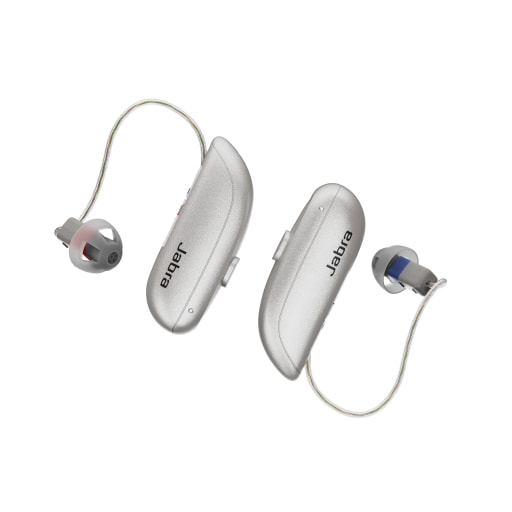
Jabra Enhance Select 300
Professional-quality OTC hearing aids with audiologist support
Check Price on AmazonWhat the FDA Change Actually Did
Before 2022, all hearing aids were classified as medical devices requiring professional fitting. This created a closed market where a handful of manufacturers sold through audiologists who added fitting fees and markups. The total cost put hearing aids out of reach for many seniors on fixed incomes.
The new FDA category, “OTC hearing aids,” allows devices for perceived mild-to-moderate hearing loss in adults 18 and older to be sold directly to consumers. The key word is “perceived.” You do not need a hearing test or diagnosis. If you feel you are not hearing well, you can buy and try OTC hearing aids.
What OTC hearing aids can treat:
- Difficulty hearing conversations in noisy restaurants
- Needing to turn up the TV louder than others prefer
- Missing words in phone calls
- Asking people to repeat themselves frequently
- Trouble hearing soft-spoken people or higher-pitched voices
What OTC hearing aids cannot treat:
- Severe or profound hearing loss (cannot hear a vacuum cleaner or doorbell from the next room)
- Hearing loss in only one ear (this may indicate a medical condition requiring evaluation)
- Sudden hearing loss (see a doctor immediately)
- Hearing loss accompanied by dizziness, pain, or drainage
Why Untreated Hearing Loss Is a Serious Health Risk
Many families dismiss hearing loss as a minor inconvenience. “Just speak louder.” But research consistently links untreated hearing loss to serious health consequences:
- Cognitive decline: A landmark Johns Hopkins study found that mild hearing loss doubles the risk of dementia. Moderate loss triples it. Severe loss increases the risk fivefold. The brain reallocates resources from memory and thinking to the effort of decoding sound.
- Fall risk: People with mild hearing loss are three times more likely to fall. Hearing contributes to spatial awareness and balance in ways most people do not realize.
- Social isolation: When conversations become exhausting, people withdraw. They stop going to gatherings, church, clubs. Isolation accelerates cognitive decline and increases depression risk.
- Depression: Seniors with untreated hearing loss have significantly higher rates of depression and anxiety.
Treating hearing loss is not about comfort. It is about preserving cognitive function, preventing falls, and maintaining social connection. This makes affordable OTC hearing aids a genuinely important health tool.
The Jabra Enhance 300: A Closer Look
Jabra is a Danish company that has been making professional audio equipment for decades. Their Enhance line brings clinical-grade technology to the OTC market. The Enhance 300 stands out for several reasons:
Self-fitting through the app: The companion app walks you through a hearing assessment using your phone. It plays a series of tones at different frequencies and volumes, building a profile of exactly where your hearing needs help. The hearing aids then adjust their amplification to match your specific pattern. This process takes about 10 minutes and replaces what would traditionally be a $200+ audiologist fitting.
Sound quality: Unlike cheap amplifiers (which simply make everything louder, including background noise), the Jabra Enhance 300 selectively amplifies speech frequencies while reducing ambient noise. Conversations in restaurants, family gatherings, and TV watching all improve without the blaring, tinny quality that gives hearing aids a bad reputation.
Rechargeable batteries: The charging case provides a full day of use on a single charge. Place the hearing aids in the case at night, and they are ready in the morning. No more tiny button batteries to fumble with.
Comfortable fit: The devices come with multiple ear tip sizes and styles. Getting the right fit matters enormously for both comfort and sound quality. Try all the included tips and choose the ones that seal gently without pressure.
How to Fit OTC Hearing Aids at Home
The fitting process is the most important step and where most people give up too early. Here is a realistic guide to getting them right:
Day 1: Physical Fit
Start by finding the right ear tips. The hearing aids should feel secure but not tight. There should be no whistling or feedback (a sign of poor seal). Try each size included in the box. Most people need different sizes for each ear.
Days 1-3: Run the App Assessment
Do the hearing assessment in a quiet room with no background noise. Follow the app instructions carefully. Run it twice on the first day and compare results. If they are similar, the profile is accurate. If they are very different, try again in a quieter environment.
Week 1: Wear Them in Easy Environments
Start wearing the hearing aids at home in quiet settings. Watch TV, have one-on-one conversations, listen to music. Your brain needs time to readjust to sounds it has been missing. Sounds may seem too loud, sharp, or tinny at first. This is normal. Your brain has adapted to reduced input, and it needs time to recalibrate.
Week 2: Add More Challenging Environments
Wear them to the grocery store, a restaurant, a family gathering. Use the app to adjust the noise reduction settings based on the environment. Most apps have preset modes for different situations.
Week 3-4: Fine-Tune
By now you will have a clear sense of what sounds right and what does not. Use the app’s equalizer to make small adjustments. If speech still sounds muffled, boost the mid and high frequencies slightly. If background noise is overwhelming, increase the noise reduction setting.
Critical advice: Give it a full 30 days before deciding they do not work. The adjustment period is real. Many people who return hearing aids in the first week would have been satisfied by week three.
When to See an Audiologist Instead
OTC hearing aids are a powerful option, but they are not a substitute for professional care in all cases. See an audiologist if:
- The OTC hearing aids do not improve your hearing after a full 30-day trial
- You have hearing loss in only one ear
- Your hearing loss is severe (OTC devices are not powerful enough)
- You experience sudden hearing changes, ear pain, or drainage
- You want a professional fitting for maximum optimization
Many audiologists now offer “hybrid” services where they will fit and tune OTC hearing aids for a flat fee ($100-200), giving you professional optimization at a fraction of the traditional cost.
Frequently Asked Questions
Are OTC hearing aids just cheap amplifiers?
No. True OTC hearing aids (like the Jabra Enhance line) are real hearing aids with the same core technology found in prescription devices: multi-channel processing, directional microphones, noise reduction, and frequency-specific amplification. Cheap “personal sound amplifiers” sold for $20-50 on Amazon are a different category entirely. They make everything louder without any intelligence. Look for the “OTC Hearing Aid” FDA classification on the box.
Will my parent be able to set them up without help?
It depends on their comfort with smartphones. The Jabra Enhance app is well-designed, but it does require using a phone app to run the hearing assessment and adjust settings. If your parent is not comfortable with this, plan to help them during a visit. Once the initial setup is done, daily use is simple: put them in, take them out, charge them at night.
How long do OTC hearing aids last?
Quality OTC hearing aids like the Jabra Enhance line are built to last 3-5 years with proper care. The rechargeable batteries will eventually degrade (after about 2-3 years of daily charging), similar to a smartphone. Keep them dry, clean the ear tips regularly, and store them in the charging case when not in use.
Does insurance cover OTC hearing aids?
Most insurance plans do not cover OTC hearing aids because they are classified as consumer devices. However, some Medicare Advantage plans include a hearing aid benefit that may apply. FSA and HSA funds can typically be used to purchase OTC hearing aids. Check with your plan for specifics.