Is the Withings Sleep Tracking Mat Worth It?
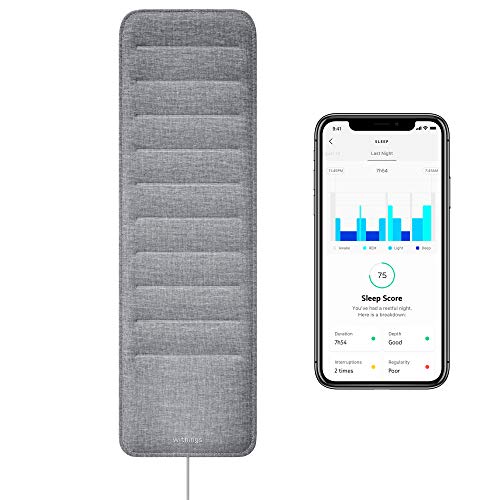
When it comes to monitoring sleep patterns for seniors, the Withings Sleep Tracking Mat offers an elegant solution without the need for wearables. This mat is designed to be discreetly placed under the mattress, providing continuous sleep tracking without any nightly setup hassles. It’s particularly helpful for seniors who may find wearables uncomfortable or forget to charge them. If you’re looking for a non-intrusive way to keep an eye on a loved one’s sleep quality, this is our top pick in the bed sensors category.
Sleep tracking can be a crucial element of health monitoring for seniors. Disrupted sleep can be a sign of various health issues, from sleep apnea to restless leg syndrome. The Withings Sleep Tracking Mat provides detailed insights without imposing on the daily life of the senior. Its one-time setup and seamless integration with smartphone apps make it an appealing choice for tech-savvy families. For $99, it’s a budget-friendly option compared to more complex sleep monitoring systems.
Who This Is For (and Who It’s Not For)
The Withings Sleep Tracking Mat is ideal for seniors who are comfortable with technology and have family members or caregivers who can assist with initial setup. It’s a great fit for those who prefer a non-wearable solution and want to monitor their sleep patterns for health reasons, such as tracking sleep quality or identifying potential issues like sleep apnea.
However, this mat might not be the best choice for individuals who do not have access to a smartphone or tablet, as the data is primarily accessed through a mobile app. If your loved one is already using a smart wearable like an Apple Watch for health monitoring, which already includes sleep tracking, this product may be redundant. Consider a more comprehensive health monitoring device if sleep tracking is not the only concern.
Why This Beats the Alternatives
We chose the Withings Sleep Tracking Mat over other options like the SleepScore Max and Emfit QS because of its straightforward setup and no need for a subscription. While alternatives like the SleepScore Max offer similar tracking capabilities, they often require more intricate setup and ongoing costs. The Withings Mat stands out for its simplicity and affordability, providing comprehensive data without additional fees.
Additionally, unlike the Emfit QS, which requires a Wi-Fi connection and has a bulkier design, the Withings mat is sleek and fits under any mattress with ease, making it less intrusive. It offers a balance of ease of use, reliability, and detailed analytics, which can be accessed easily through the companion app.
Key Features That Matter for Seniors
Non-Wearable Design: This mat is designed to slip under the mattress, eliminating the discomfort or forgetfulness associated with wearable devices. This is particularly beneficial for seniors who may have skin sensitivities or find it challenging to manage wearable tech.
Automatic Sleep Monitoring: The mat provides automatic tracking of sleep duration, cycles, and disruptions. It’s a hands-off solution that ensures consistency without nightly setup, crucial for seniors who may not remember to activate a device nightly.
Heart Rate Monitoring: The included heart rate monitoring is a valuable feature for those managing heart-related health issues. Continuous, overnight heart rate data can help in spotting irregular patterns that might need medical attention.
Sleep Apnea Detection: Although not a replacement for medical-grade diagnostics, this feature provides preliminary insights into potential breathing disturbances during sleep, helping caregivers decide if further investigation is needed.
Seamless App Integration: The companion app is user-friendly, allowing caregivers to easily check sleep metrics. It’s ideal for those who share the responsibility of caregiving and need remote access to health data.
Setup: What to Expect
Setting up the Withings Sleep Tracking Mat is relatively straightforward and should take around 10-15 minutes. Start by placing the mat under the mattress, ideally in a central position to ensure accurate readings. Ensure the mat is situated on a flat surface to avoid any disruption in data collection.
Once the mat is in place, download the Withings Health Mate app on a smartphone or tablet. This app will guide you through the pairing process. You’ll need to create an account, or log in if you already have one, and then follow the on-screen instructions to link the mat to the app. Testing the setup is simple,just lie on the bed and check the app for initial data readings, confirming everything is connected properly.
What to Know Before Buying
The Withings Sleep Tracking Mat does not require a subscription, making it a cost-effective choice. However, be aware that the mat relies on a stable Wi-Fi connection for transmitting data to your smartphone. If the Wi-Fi network fails, data won’t sync until the connection is restored, which might be a concern in areas with unreliable internet service.
Compatibility is another consideration. The Health Mate app is available for both iOS and Android, but ensure your device meets the app’s system requirements. While the mat itself is durable, replacement parts like the power adapter are not commonly available in stores and might need to be ordered directly from Withings if needed.