Dehydration sends more seniors to the emergency room than almost any other preventable condition. Studies consistently place it in the top five reasons for ER visits among adults over 75, alongside falls, chest pain, urinary tract infections, and medication reactions. What makes it particularly insidious is how quietly it develops. There is no dramatic moment when dehydration begins. It is a slow drift, day after day of not quite drinking enough, until the body reaches a tipping point.
A hospitalization for dehydration in an elderly person is not a quick fix. It typically involves IV fluids, monitoring, and a stay of one to three days. The hospital stay itself introduces new risks: disorientation from unfamiliar surroundings, exposure to infections, disrupted medication schedules, and the deconditioning that happens when a frail person spends days in a bed. For some seniors, a dehydration hospitalization becomes the beginning of a downward spiral they never fully recover from.
Understanding why seniors stop drinking enough water is the first step toward preventing it. The causes are not what most people assume.
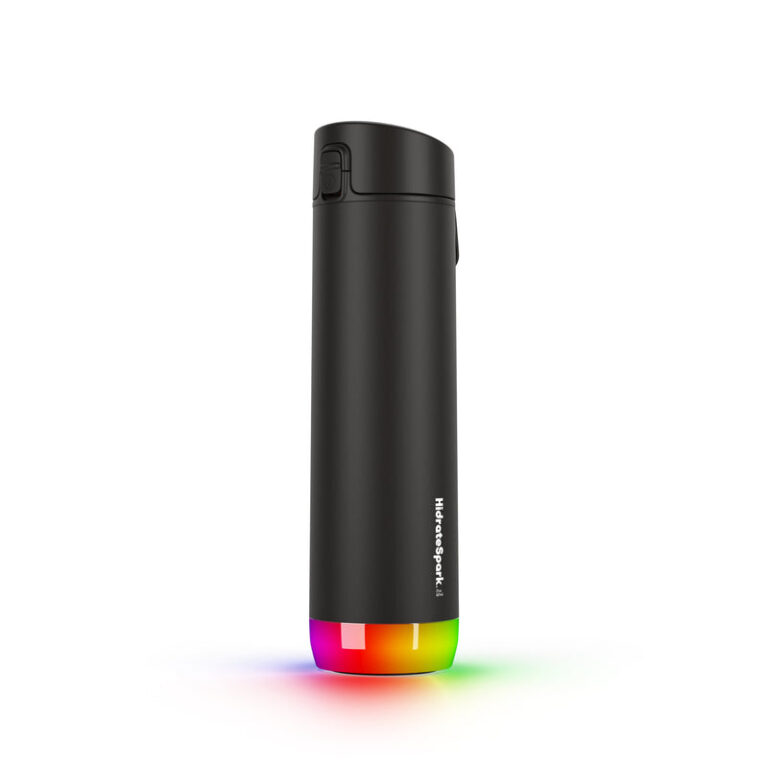
HidrateSpark PRO
Smart water bottle that glows to remind you to drink and tracks every sip
Check Price on AmazonThe Biology of Declining Thirst
The most important thing to understand about senior dehydration is this: your parent is not ignoring their thirst. Their thirst mechanism is broken.
Research published in the journal Physiology & Behavior has shown that the hypothalamus, which regulates thirst, becomes less sensitive with age. In a younger adult, losing even 1% of body water triggers a clear sensation of thirst. In adults over 70, that trigger often does not fire until fluid loss reaches 2% or higher. By that point, cognitive function is already affected, energy is dropping, and the body is under stress.
This means the most common piece of advice, “just drink when you’re thirsty,” is actively dangerous for older adults. If they wait until they feel thirsty, they are already dehydrated. The internal warning system that younger people rely on simply does not work the same way after a certain age.
Medications That Steal Water
Many of the most commonly prescribed medications for seniors have diuretic effects, either directly or as a side effect. Blood pressure medications, particularly ACE inhibitors and calcium channel blockers, increase fluid loss. Diuretics prescribed for heart failure or edema are, by definition, designed to remove fluid from the body. Laxatives, commonly used by seniors with constipation, pull water into the intestines and out of circulation.
Even medications that are not technically diuretics can contribute to dehydration. Anticholinergic drugs (used for overactive bladder, allergies, and some antidepressants) reduce saliva production, which makes drinking feel less natural. Some cholesterol medications cause diarrhea as a side effect, which increases fluid loss without the person connecting the two.
If your parent takes three or more medications, there is a reasonable chance that at least one of them is contributing to fluid loss. A pharmacist can review the full medication list and flag the ones that increase dehydration risk. This is a conversation worth having.
The Incontinence Trap
This is the cause that nobody talks about, and it may be the most common one. Many seniors, particularly women, reduce their fluid intake deliberately because they are dealing with urinary incontinence. The logic is straightforward: drink less, urinate less, have fewer accidents.
It works in the short term. Fewer trips to the bathroom. Fewer embarrassing moments. But the cost is dehydration, urinary tract infections (concentrated urine is a breeding ground for bacteria), constipation, and eventually, a hospital visit that is far more disruptive than any incontinence episode.
The cruel irony is that dehydration actually makes incontinence worse. Concentrated urine irritates the bladder, which triggers more urgency and more frequent urination. So the person drinks even less, the cycle tightens, and the problem compounds.
If you suspect your parent is limiting fluids because of incontinence, address the incontinence directly. Talk to their doctor about treatment options. Consider absorbent undergarments that are now far less bulky and more discreet than they used to be. The solution is not to accept dehydration as the price of dignity.
Mobility and Access Issues
For a healthy adult, getting a glass of water is effortless. Walk to the kitchen, fill a glass, walk back. It requires no thought and no planning. For a senior with arthritis, balance issues, or a walker, that same trip is a multi-step physical challenge. Get up from the chair (hardest part of many seniors’ day). Navigate to the kitchen. Reach a glass from the cabinet. Operate the faucet or lift a water pitcher. Carry the glass back without spilling. Sit back down without falling.
When that process is difficult, painful, or exhausting, many seniors simply do not do it as often. They wait until they are getting up for another reason. They drink only at meals. They skip the glass of water they would have had at 3 PM because the trip to the kitchen does not feel worth it.
Simple fixes make a big difference. A water bottle with a built-in straw kept next to their favorite chair. A small refrigerator in the living room. Pre-filled water bottles placed at eye level in the kitchen. Anything that reduces the effort between wanting water and having water in hand.
Signs of Dehydration That Caregivers Miss
By the time dehydration is obvious, it is already serious. The classic signs, cracked lips, dry mouth, dark urine, are late-stage indicators. Catching it earlier requires knowing what to look for:
- Confusion or increased agitation. Dehydration affects brain function before it affects the body. If your parent seems more confused than usual, more irritable, or more forgetful, dehydration should be one of the first things you consider. It mimics dementia symptoms so effectively that some seniors have been misdiagnosed with cognitive decline when they were actually chronically dehydrated.
- Dizziness when standing. Dehydration reduces blood volume, which causes blood pressure to drop when the person stands up. This is called orthostatic hypotension, and it is a major fall risk.
- Constipation. The body needs water to keep the digestive system moving. When fluid intake drops, constipation follows. If your parent is complaining about constipation, check their water intake before reaching for laxatives.
- Fatigue and lethargy. A dehydrated senior will seem more tired than usual. They may sleep more, move less, and show less interest in activities. Again, these symptoms are often attributed to aging or depression rather than to a fixable fluid deficit.
- Skin turgor test. Gently pinch the skin on the back of your parent’s hand and release it. In a well-hydrated person, the skin snaps back immediately. In a dehydrated person, the skin stays tented for a second or two before flattening. This is a rough indicator, not a precise measurement, but it is useful as a quick check during visits.
How Technology Can Help
Technology works best for hydration when it removes the need for the person to remember, decide, or track anything on their own. Two approaches have shown real results in senior households.
The HidrateSpark Pro is a smart water bottle that tracks how much your parent drinks throughout the day. It glows when it is time to drink, which serves as a gentle, non-verbal reminder that does not feel like nagging. The companion app syncs to your phone, so you can see from a distance whether your parent is actually drinking. If the bottle has not been picked up by noon, you have a reason to call.
The bottle works because it requires almost no behavior change. Your parent just drinks from a water bottle instead of a glass. The bottle handles the tracking and the reminding.
A voice assistant like the Amazon Echo Dot can be programmed to deliver hydration reminders at regular intervals throughout the day. “It is 10 AM. Time for a glass of water.” These reminders work surprisingly well for seniors who respond to routine and verbal cues. The key is setting the reminders at consistent times and keeping water within reach so they can act on the reminder immediately.
Some families combine both approaches. The Echo delivers the reminder. The smart bottle sits within arm’s reach. The parent drinks, the bottle logs it, and the caregiver sees the data. It is a low-effort system that catches the problem before it becomes a crisis.
Practical Strategies Beyond Technology
Technology is helpful, but the foundation of preventing dehydration is practical and low-tech:
- Flavor the water. Many seniors say they do not like the taste of water. Adding a slice of lemon, cucumber, or a small amount of sugar-free flavoring can make the difference between a glass that gets ignored and one that gets finished.
- Count foods that hydrate. Watermelon, cucumbers, oranges, grapes, soup, yogurt, and popsicles all contribute to daily fluid intake. A parent who struggles to drink enough water may happily eat a bowl of soup or a cup of fruit at every meal.
- Make it a habit, not a decision. A glass of water with every meal and one between each meal gives your parent a simple framework. Five glasses a day is not the full recommended intake, but it is enough to prevent most dehydration problems.
- Use smaller containers. A full 16-ounce glass can feel overwhelming. An 8-ounce glass feels manageable. Finishing it feels like an accomplishment rather than a chore. Refilling it gives a reason to get up and move, which is its own benefit.
- Have the incontinence conversation. If your parent is restricting fluids, find out why. It is almost always about bladder control. Addressing the root cause is more effective than trying to override the behavior.
When to Seek Medical Attention
Mild dehydration can usually be corrected at home with increased fluid intake over a few hours. But there are situations where medical attention is needed immediately:
- Confusion that is worse than baseline or comes on suddenly
- Rapid heartbeat or heart palpitations
- Fainting or inability to stand
- Not urinating for more than 8 hours
- Fever combined with signs of dehydration
- Vomiting or diarrhea that prevents keeping fluids down
In these cases, oral rehydration may not be enough. IV fluids in an urgent care or emergency room setting can correct the deficit much faster than drinking water, and they bypass the digestive system entirely, which matters if nausea is part of the picture.
The Daily Habit That Prevents the Crisis
Dehydration in seniors is almost always preventable. It does not require expensive interventions or dramatic lifestyle changes. It requires awareness that the problem exists, a few low-effort systems to keep fluids flowing, and someone paying attention.
A smart water bottle that glows at the right times. A voice assistant that offers gentle reminders. Flavored water that tastes better than plain. Soup at lunch. Fruit at snack time. A water bottle next to the recliner instead of across the house in the kitchen. These small adjustments, layered together, can keep your parent out of the emergency room and feeling better every day.
Start with one change this week. Put a filled water bottle next to your parent’s favorite chair. That single step is worth more than any amount of worrying from a distance.