Outdoor Lighting That Prevents Falls: A Senior’s Guide to Safer Walkways
Every year, millions of older adults are treated in emergency rooms for fall-related injuries, and a significant share of those falls happen outside. The front steps at dusk. The path from the garage after a late errand. The walkway to the mailbox before sunrise. These are the moments when inadequate lighting turns an ordinary trip into a serious medical event.
If you are a senior looking to make your home’s exterior safer, or an adult child thinking about what your parents need, this guide covers everything worth knowing about outdoor lighting for seniors. The right lights, placed in the right spots, can dramatically reduce the risk of outdoor falls without requiring an electrician, a ladder, or a complicated installation.
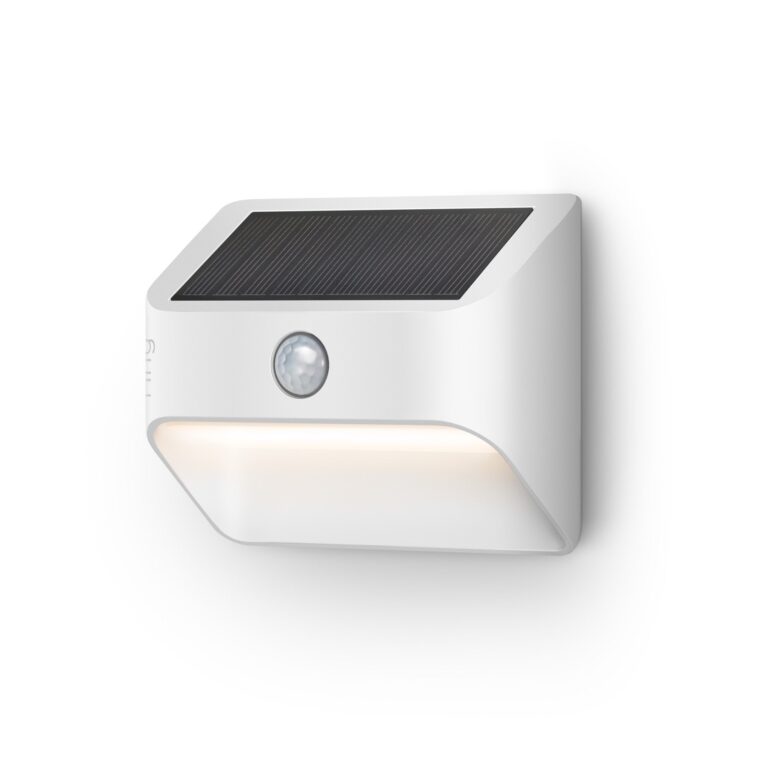
Ring Solar Steplight (4-Pack)
Solar-powered motion-activated steplights that illuminate walkways and steps to prevent outdoor falls
Check Price on AmazonWhy Outdoor Falls Are So Dangerous for Seniors
Falls are the leading cause of both fatal and nonfatal injuries among adults aged 65 and older. According to the Centers for Disease Control and Prevention, more than one in four older adults falls each year, and one in five of those falls causes a serious injury such as a broken bone or a head injury.
What many people do not realize is how often those falls happen outside. Research published in the journal Age and Ageing found that approximately half of all falls among community-dwelling older adults occur outdoors. The most common locations are sidewalks, steps, curbs, and uneven ground, often in low-light conditions.
The Dusk and Dawn Problem
Twilight hours are especially risky. The human eye, at any age, takes time to adjust as light levels change. For older adults, that adaptation is slower and less complete. The contrast sensitivity that helps us distinguish a step from a flat surface becomes unreliable in fading light.
This is why so many outdoor falls happen not in pitch darkness, but in the in-between moments. Someone steps outside to grab the mail just before dark, misjudges the edge of the porch step, and down they go. Or a caregiver drops off groceries after dinner, and the walkway that looked fine an hour ago is now a patchwork of shadows.
Uneven Surfaces and Low Visibility
Cracks in walkways, small elevation changes at door thresholds, and loose paving stones are hazards in any light. In the dark, they become invisible. Older adults are also more likely to be managing balance challenges, reduced depth perception, and slower reaction times, which means they have less ability to recover from an unexpected trip.
Good lighting does not eliminate uneven surfaces, but it makes them visible. That visibility is often the difference between a near-miss and a serious fall.
What Good Outdoor Lighting Actually Looks Like
Not all outdoor lights are equally useful for fall prevention. A decorative string light looks nice but does not illuminate foot placement. A floodlight aimed at the garage door may blind more than it helps. Effective outdoor lighting for seniors has a few specific qualities.
Motion-Activated
Lights that turn on automatically when someone approaches are far more useful than lights that require remembering to switch them on. For seniors who may have mobility limitations or simply forget, motion activation removes that barrier entirely. The light comes on because you are there. No fumbling for a switch in the dark.
Positioned at Ground Level
Overhead lights can create harsh shadows at the base of steps, which is exactly where you need clarity. Step lights and path lights positioned at or near ground level illuminate the surface you are walking on, not just the air around it. This is a meaningful distinction when the goal is fall prevention rather than general visibility.
Low Glare
Bright light pointed directly at the eye can be just as disorienting as too little light. This is especially true for older adults, who are more susceptible to glare-related vision problems. The best outdoor safety lights direct illumination downward, toward walking surfaces, rather than outward.
Weatherproof and Reliable
A light that stops working after a rainstorm is worse than no light at all, because it creates a false sense of security. Outdoor lights for safety need to function in rain, snow, extreme heat, and freezing temperatures. Look for fixtures with a weather resistance rating appropriate for outdoor use.
Solar-Powered
This one deserves its own section, because it matters more than most people realize.
Why Solar Is the Right Choice for Seniors
Installing hardwired outdoor lighting means hiring an electrician, running conduit, cutting into walls, and pulling permits in some jurisdictions. For many homeowners, that is an expensive and disruptive project. For older adults on fixed incomes, or families trying to help aging parents without overwhelming them, it can also be a barrier that never gets crossed.
Solar-powered step and path lights eliminate all of that. No wiring. No electrician. No trenching through the yard. The installation is typically as simple as pressing a stake into the ground or driving a few screws into a wall.
They also eliminate battery replacement. Traditional battery-powered lights are a reasonable alternative to hardwired fixtures, but they require someone to remember to check and replace the batteries regularly. For an older adult living alone, or a family that does not visit frequently, that maintenance task gets skipped. Solar lights recharge themselves every day, automatically, with no action required.
The ongoing cost is also zero. Once installed, solar lights draw no electricity from the grid and add nothing to the utility bill.
The Best Lights for the Job
For outdoor lighting for seniors focused on fall prevention, the Ring Solar Steplight 4-Pack stands out for how well it addresses the specific needs of this use case.
What the Ring Solar Steplight Does Well
The Ring Solar Steplight is a low-profile fixture designed to mount directly on steps, walls, or posts. It charges via built-in solar panel and activates automatically when it detects motion. The light is directed downward, illuminating the surface at foot level rather than shining into eyes.
The 4-Pack format is practical. A single house typically needs lights at multiple points: the front steps, the path from the driveway, the back door, and any other route that gets used after dark. Having four fixtures in one purchase makes it easier to address the whole exterior rather than patching one spot at a time.
Motion Detection
The motion sensor activates the light as someone approaches, which means it is on when it is needed and off the rest of the time. This extends the battery life of the solar charge and keeps the light from becoming background noise that neighbors or the homeowner stops noticing. A light that comes on purposefully is a light that still gets attention.
Smart Integration
For families using Ring or Amazon smart home systems, the Steplight connects to the existing ecosystem. This allows family members to check light activity remotely, confirm that the lights are working, and get a general sense of movement patterns around the home. For adult children who live at a distance, this kind of visibility can be genuinely reassuring without feeling intrusive.
No Wiring Required
Installation requires only a screwdriver and a few minutes per light. The solar panel is integrated into the fixture, so there is no separate panel to mount or cable to run. For older adults who want to install these themselves, or for family members doing a quick visit installation, this simplicity is a real advantage.
Where to Place Your Outdoor Lights
Buying the right lights is only part of the equation. Placement determines how much protection they actually provide.
Front Steps and Porch
This is the highest-priority location. The transition from walkway to porch, and from porch to door, involves elevation changes that are easy to miss in low light. Mount step lights on the side of each riser, or on the porch wall at a height that illuminates the tread surfaces. If there is a handrail, make sure the area immediately around it is well lit.
Driveway to Front Door Walkway
This path gets used every time someone arrives home after dark. Even a well-maintained concrete walkway can be difficult to navigate when there is no light on it. Place lights along both sides of the path at intervals of about 6 to 8 feet, or position them at any points where the path curves or changes elevation.
Garage Entry
The path from the garage into the house often passes through a narrow, cluttered space with a step up at the door. This is a common fall location because people are often carrying grocery bags or other items and not watching their feet. A light positioned to illuminate that transition step specifically is worth the installation time.
Back Door and Rear Walkways
Back doors are often forgotten in lighting plans, but they see regular use. If there is a deck, patio, or back yard garden area, the path from the back door to those spaces should be lit. Night trips to let a dog out, take out trash, or step onto the deck are all opportunities for a fall if the area is dark.
Mailbox Route
For older adults who check the mail daily, the walk from the front door to the mailbox and back is a routine that happens regardless of light conditions. If the mailbox is at the end of a driveway or down a path, lights along that route can prevent falls during early morning or evening mail retrieval.
Installation Tips
Most solar step lights mount with two or three screws. Before installing, spend a moment checking that the surface is structurally sound. A wooden step with soft or rotted wood should be repaired before a light is attached to it.
Position the solar panel where it will receive direct sunlight for at least part of the day. South-facing or west-facing orientations typically work well. Avoid mounting under an overhang that blocks sun for most of the day, even if that location seems convenient.
Give the lights a full day of charging before testing them at night. Initial performance may be reduced if installed on a cloudy day. After one or two sunny days, the light output should be at full capacity.
For step risers, mount the light near the center of the riser so the illumination spreads evenly across the tread. For wall mounting at path level, aim for a height of 12 to 18 inches above the walking surface.
Seasonal Considerations
Solar lights perform best in summer, when days are long and sun angles are high. In winter, shorter days and lower sun angles reduce the charging time available. This means winter performance may be somewhat reduced compared to summer, and lights that work well in July may be dimmer or have shorter run times in December.
To compensate in winter, keep the solar panels clear of snow and debris, which can block the panel even during sunny hours. Check that surrounding vegetation has not grown to shade the panel. In climates with extended cloudy periods, consider whether additional lighting such as a motion-activated floodlight on a timer might be appropriate as a supplement during winter months.
In very cold climates, verify that the light’s operating temperature range covers the lows you typically see. Most quality solar lights are rated for temperatures down to -4 degrees Fahrenheit or lower, which covers most of North America.
A Practical Step Toward a Safer Home
Outdoor lighting for seniors is one of the most cost-effective safety investments available. Unlike major home modifications such as ramp installations or bathroom grab bar retrofits, quality solar step lights can be installed in an afternoon without professional help, without tools beyond a basic screwdriver, and without ongoing costs.
For seniors, this is a meaningful way to extend independence. Staying confident about moving around outside after dark, not having to rush to get home before sunset, not depending on someone else to turn on a porch light before you leave the car. These small freedoms matter.
For adult children and caregivers, it is a practical contribution that addresses a real risk. Falls are not inevitable. Many of them are preventable with straightforward interventions, and better outdoor lighting is near the top of that list.
Start with the highest-risk areas: front steps, main walkway, and back door. Add lights to secondary routes as budget allows. Check that panels are getting sun and surfaces are clear of snow in winter. That is the whole plan.
The best time to address outdoor lighting is before a fall happens. Once someone has fallen on an unlit step, the fear of falling often becomes its own problem, limiting activity and eroding confidence. Getting the lights in place now keeps that outcome from being the starting point.