Is the Panasonic Amplified Cordless Phone Right for Your Needs?
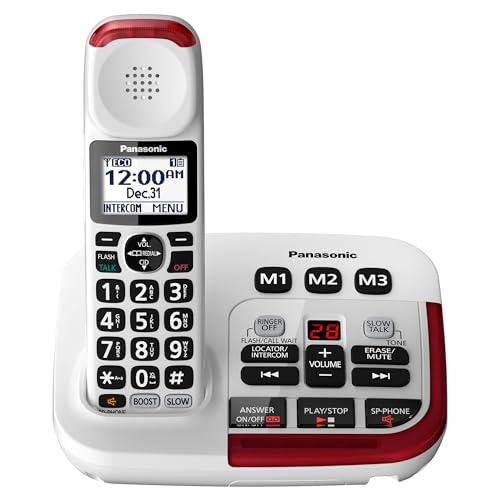
If you’re concerned about a loved one struggling to hear phone calls or manage a standard phone, the Panasonic Amplified Cordless Phone KX-TGM420W offers a tailored solution. This phone is specifically designed to assist those with hearing challenges by providing amplified sound and clarity, making conversations more accessible. Our recommendation: it’s an excellent choice if you prioritize ease of use and auditory assistance for seniors. However, if you’re looking for more advanced smart features or integration with other devices, you might need to consider other options.
For seniors, maintaining communication with family and friends is vital, especially when hearing loss is a factor. The Panasonic KX-TGM420W addresses this by offering a significant boost in volume and clarity, which can be crucial for seniors who find phone conversations challenging. While many alternatives exist, the Panasonic model is a standout due to its thoughtful design focused on auditory enhancements. The lack of ongoing fees is also a plus, as this is a one-time purchase without the burden of a subscription.
Who This Is For (and Who It’s Not For)
This phone is ideal for seniors who experience mild to moderate hearing loss and need a reliable way to manage calls without straining to hear. It’s also suitable for those who prefer a straightforward device without the complexity of modern smartphones. If your parent or loved one values simplicity and enhanced audio, this model will meet their needs.
If you’re seeking a phone with smart features such as internet connectivity, voice assistants, or integration with a smart home system, this isn’t the device for you. Consider a smartphone with hearing aid compatibility for a more tech-savvy user, or if visual aids are necessary, a large-button phone with a screen may be more appropriate. Additionally, if mobility is a concern, a cellular device with GPS tracking might be a better fit.
Why This Panasonic Model Stands Out
The Panasonic Amplified Cordless Phone beats its competitors due to its focused approach on enhancing auditory features without overcomplicating the user experience. Unlike some amplified phones that add unnecessary bells and whistles, this model keeps it simple yet effective. Its amplification capabilities surpass those of many similar products, offering a clearer, louder sound.
Additionally, the phone offers customizable tone settings and includes a slow talk function, which is particularly beneficial for clarity in conversations. Its combination of easy setup, senior-friendly features, and cost-effectiveness make it a preferred choice over more complex and expensive alternatives like the Clarity XLC3.4+.
Key Features That Matter for Seniors
Volume Amplification: This phone can amplify incoming sound significantly, making it easier for seniors with hearing loss to hear conversations clearly. This feature is crucial for those who struggle with standard phone volumes, providing a comfortable listening experience.
Slow Talk Function: The slow talk feature allows users to slow down the speech of the person on the other end during a call. This can be particularly helpful for seniors who have difficulty following rapid speech, enhancing comprehension and communication.
Speech Clarity: The customizable tone settings enable users to adjust the frequency of the caller’s voice, which can enhance speech clarity. This adaptability is beneficial for those with specific hearing needs, allowing for a tailored listening experience.
Large Buttons and Display: The phone features large, easy-to-read buttons and a display screen, making it accessible for seniors with vision impairments. This design consideration ensures that the phone remains user-friendly for those who may struggle with small controls.
Backup Power Feature: In the event of a power outage, the phone can still function with batteries, maintaining connectivity when it might be most needed. This reliability is crucial for seniors who live alone or in areas prone to outages.
Setup: What to Expect
Setting up the Panasonic KX-TGM420W is straightforward and typically takes about 20 to 30 minutes. Begin by connecting the phone base to a power outlet and phone jack. Then insert the batteries into the handset. Once powered, the handset will automatically link to the base, requiring no additional pairing.
The next step involves configuring the phone settings, such as setting the clock and adjusting the volume and tone settings to the user’s preference. This can easily be done through the simple menu system. Caregivers might assist with this initial setup, but once configured, the senior user should find daily operation intuitive. Testing the phone to ensure each feature (like volume control and slow talk) functions as expected is a good final step.
What to Know Before Buying
Fortunately, this phone does not require any subscription fees, making it a cost-effective choice for those concerned about ongoing expenses. However, always ensure that the phone line service is active, as the device is dependent on a standard landline connection.
Be mindful of the range limitations, as cordless phones can occasionally struggle with connectivity if used far from the base unit. Additionally, the battery life, while reliable, should be monitored, and replacement batteries may be needed over time. Compatibility with hearing aids is a common concern, but this phone generally performs well in conjunction with most hearing aids. Double-check these aspects based on specific needs to avoid any unexpected issues.