Caring for a parent or loved one from hundreds or thousands of miles away is one of the most stressful experiences an adult child can face. You worry about falls, missed medications, loneliness, and a dozen other things — and you can’t just pop over to check. But modern technology has made long-distance caregiving far more manageable than it was even five years ago. Here are the tools that actually help.
Remote Health Monitoring
Knowing your parent is okay — without having to call and ask every few hours — is the biggest benefit of remote monitoring technology.
Activity Monitoring Systems
These systems learn your loved one’s daily routine and alert you when something seems off. They don’t use cameras, which respects privacy while still providing peace of mind.
- Motion sensors placed around the home can tell you if your parent got up in the morning, moved to the kitchen for meals, and followed their normal routine. If there’s no activity when there usually is, you get an alert.
- Smart plugs on frequently used appliances like coffee makers or TVs can show you whether your parent is using them at their usual times.
- Door sensors let you know when your parent leaves and returns home, which is especially helpful if they have early cognitive changes.
Systems like CarePredict and Lively (now part of GreatCall) are designed specifically for this purpose.
Medical Alert Systems with Remote Features
Modern medical alert systems do much more than let someone press a button for help. Many now include:
- Automatic fall detection that calls for help even if your parent can’t press the button
- Location tracking for parents who are still active and going out
- A caregiver app that lets you see the battery status of the device, check the last location, and receive alerts
Staying Connected Day to Day
Video Calling Made Simple
Regular video calls reduce isolation and let you see how your parent is really doing — not just how they say they’re doing. The key is making it easy enough that your parent will actually do it.
- Amazon Echo Show or Google Nest Hub Max — these smart displays let your parent answer a video call just by saying answer or tapping the screen. You can even set them up to auto-answer calls from approved contacts, so your parent doesn’t have to do anything at all.
- GrandPad — a tablet designed specifically for seniors that makes video calling as simple as pressing a big photo of the person you want to call. No passwords, no apps to navigate.
- Facebook Portal — designed for video calling with features like Smart Camera that follows movement and keeps the caller centered in the frame.
Whichever device you choose, set it up yourself (either in person during a visit or by shipping a pre-configured device) so your parent doesn’t have to deal with setup.
Shared Photo Frames
Digital photo frames that family members can update remotely are a wonderful way to stay present in your parent’s daily life. You can send new photos of the grandkids, family events, or just a quick snapshot from your day. Your parent sees new photos appear without having to do anything.
The Aura, Skylight, and Nixplay frames all let you send photos from an app on your phone. Some even support short video clips.
Shared Calendars and Lists
Coordinating care from a distance often involves multiple siblings, local helpers, and healthcare providers. Shared tools keep everyone on the same page.
- Google Calendar or Apple Calendar can be shared among family members to track doctor’s appointments, caregiver visits, and medication schedules.
- CareZone — an app designed for caregivers that lets you store medication lists, track health information, share updates with family, and coordinate care tasks.
- Lotsa Helping Hands — a free coordination platform where you can create a shared calendar for meal deliveries, rides, visits, and other tasks, and family and friends can sign up to help.
Medication Management from Afar
One of the biggest worries for long-distance caregivers is whether their parent is taking medications correctly.
- Automatic pill dispensers like Hero or MedMinder lock medications inside and dispense the right pills at the right time, with alarms. If a dose is missed, you get a notification on your phone.
- Pharmacy delivery services that pre-sort medications into daily packets (like PillPack, now part of Amazon Pharmacy) eliminate the confusion of multiple bottles.
- Smart speakers can be set up with medication reminders at specific times throughout the day.
Home Safety Monitoring
Smart Home Sensors
Simple smart home devices can alert you to potential problems before they become emergencies:
- Water leak sensors near toilets, sinks, and water heaters notify you of leaks before they cause damage.
- Smart smoke and CO detectors send alerts to your phone, not just your parent’s home. If an alarm goes off while your parent is sleeping or confused, you’ll know about it and can call to help.
- Smart thermostats let you check that the house temperature is safe — especially important in extreme heat or cold. You can adjust the temperature remotely if needed.
- Video doorbells let you see who’s coming to your parent’s door, which helps protect against scams and provides a record of visitors.
Managing Care Remotely
Hiring and Coordinating Local Help
Technology helps, but it doesn’t replace human presence. As a long-distance caregiver, you’ll likely need local support:
- Use the Eldercare Locator (eldercare.acl.gov or 1-800-677-1116) to find local services including meal delivery, transportation, and home care agencies.
- Consider hiring a geriatric care manager — a professional who can serve as your eyes and ears locally, attend doctor’s appointments, and coordinate care services.
- Set up a shared notes system (even a simple Google Doc) where local caregivers can leave updates about your parent’s day, meals, mood, and any concerns.
Making the Most of Visits
When you do visit in person, make the most of it by tackling things that are hard to do remotely:
- Set up and test all technology while you’re there
- Attend doctor’s appointments together
- Meet local caregivers and neighbors face to face
- Do a safety walk-through of the home
- Update important documents and medication lists
- Spend quality time together — not every minute needs to be about caregiving
Long-distance caregiving is hard, and no amount of technology eliminates the guilt of not being there. But these tools can turn worry into awareness, and helplessness into action. You may not be able to be there in person, but you can still be present, informed, and connected.
Our Pick: VTech DM221-2 Audio Baby Monitor with DECT 6.0 Technology
If you’re shopping in this category, here’s our one recommendation.
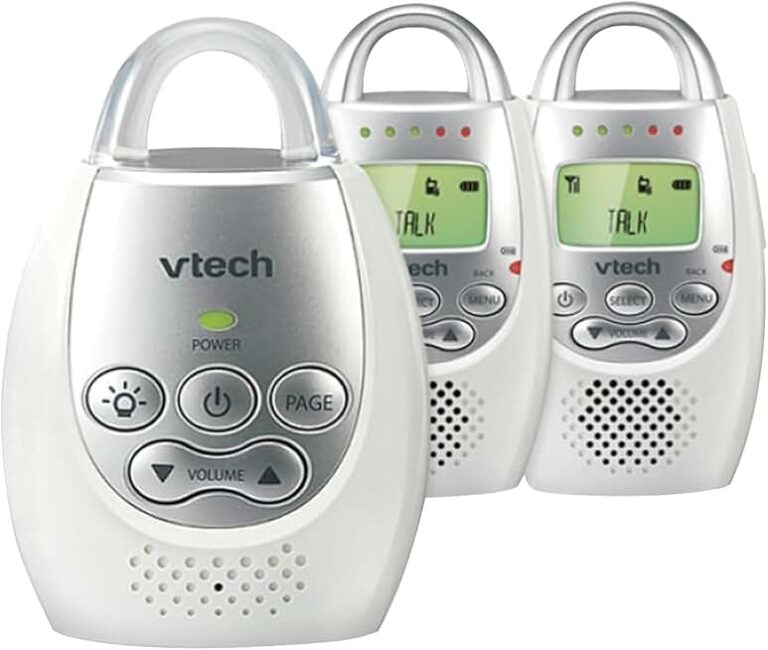
VTech DM221-2 Audio Baby Monitor with DECT 6.0 Technology
DECT 6.0 Technology ensures crystal-clear audio with no interference.
Check Price on Amazon