Understanding Knee Braces
Knee braces are devices designed to support and stabilize the knee joint. They can help reduce pain, improve mobility, and prevent further injury. For seniors, having the right knee brace can make a significant difference in daily activities and overall quality of life. Whether you are dealing with arthritis, recovering from surgery, or simply seeking extra support, knee braces can provide the relief you need.
This guide will help you understand the different types of knee braces available, what to look for, and how to choose the best one for yourself or your loved one.
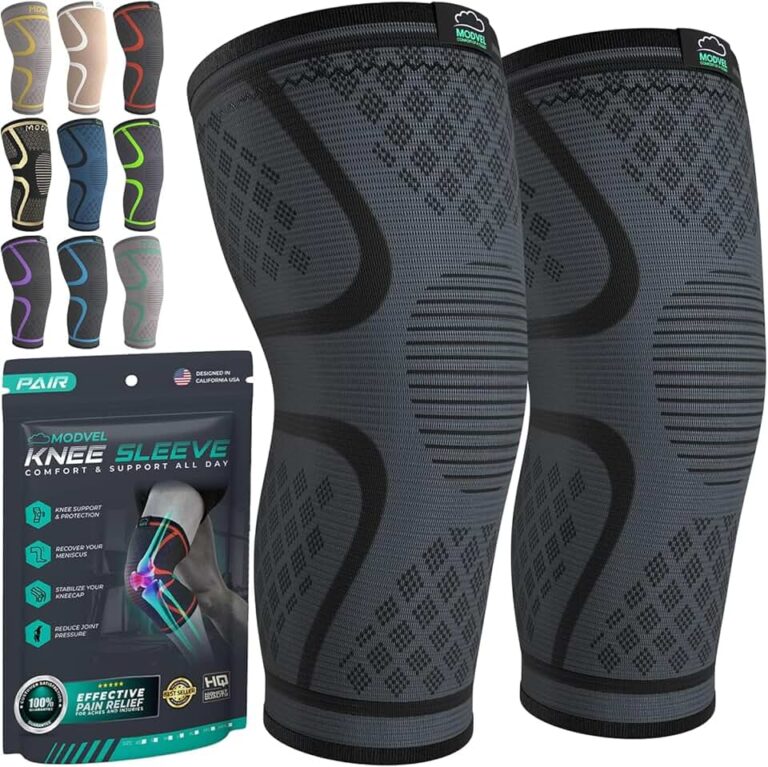
Mava Sports Knee Brace for Arthritis and Meniscus Tear
Advanced compression technology provides uniform support.
Check Price on AmazonTypes of Knee Braces
1. Prophylactic Knee Braces
These braces are designed to prevent injuries during sports or physical activities. They provide support to the knee and help stabilize the joint. While primarily used by athletes, they can also be beneficial for seniors who engage in physical activities.
2. Functional Knee Braces
Functional knee braces are used by individuals who have already suffered a knee injury. They help provide support and stability during movement. These braces are particularly useful for seniors recovering from injuries or surgeries.
3. Rehabilitative Knee Braces
These are designed to limit harmful movement while a knee is healing. They provide the necessary support during the recovery process and can be adjusted as healing progresses. If you or your loved one has recently undergone knee surgery, this type of brace may be appropriate.
4. Unloader Knee Braces
Unloader knee braces are used primarily for individuals with osteoarthritis. They help alleviate pain by shifting pressure away from the damaged part of the knee. This type of brace can greatly improve mobility and comfort for seniors dealing with joint pain.
5. Compression Knee Sleeves
These provide mild support and compression to the knee joint. They are often used to reduce swelling and increase blood flow. Compression sleeves are easy to wear and can be a good option for seniors who want lightweight support.
Key Features to Look For
1. Size and Fit
It is crucial to choose a knee brace that fits properly. Most brands offer size charts to help you measure your knee and select the right size. A well-fitting brace will provide better support and comfort. If you are buying for someone else, take the time to measure their knee to ensure an accurate fit.
2. Material
Knee braces come in various materials, including neoprene, elastic, and breathable fabrics. Look for a brace that offers durability and comfort. Breathable materials are especially important for seniors who may have sensitive skin or experience heat during use.
3. Adjustability
Many knee braces have adjustable straps or closures, allowing you to customize the fit. This feature is particularly beneficial for seniors, as their needs may change over time or vary based on the activity.
4. Level of Support
Consider the level of support needed. For mild pain or support, a compression sleeve may suffice. For more severe injuries or conditions, a functional or rehabilitative brace may be necessary. Assess the specific needs of the individual when selecting a brace.
5. Ease of Use
Choose a knee brace that is easy to put on and take off. Seniors may have limited dexterity or mobility, so a simple design with clear instructions will make the process smoother.
How to Choose the Right Knee Brace
1. Assess the Condition
Before purchasing a knee brace, it is essential to assess the specific condition affecting the knee. Consult with a healthcare professional to determine the type of brace that will provide the most benefit. They can help identify whether a prophylactic, functional, rehabilitative, unloader, or compression brace is appropriate.
2. Consider Daily Activities
Reflect on the activities that will be performed while wearing the knee brace. If the brace is for everyday use, comfort and ease of wear are crucial. If it is for sports or physical activities, extra support may be necessary.
3. Try Before You Buy
If possible, try on different knee braces before making a purchase. This will allow you to assess comfort, fit, and ease of use. Many stores with medical supplies have staff who can assist with this process.
4. Read Reviews
Look for reviews from other seniors or caregivers who have used the knee brace. Their experiences can provide valuable insights into comfort, effectiveness, and durability. Pay attention to any common issues mentioned in the reviews.
5. Monitor for Changes
Once you have chosen a knee brace, monitor its effectiveness regularly. If the individual experiences increased pain or discomfort, consider consulting a healthcare professional for further evaluation or a different type of brace.
Practical Caregiver Tips
1. Assist with Fitting
Help your loved one try on the knee brace to ensure it fits correctly. Make sure the straps are secure but not overly tight, as this can cause discomfort.
2. Educate on Usage
Explain how to put on and take off the brace. Providing clear instructions will encourage independence and make the process easier for the senior.
3. Monitor Comfort
Check in regularly to see how the brace is working. Look for signs of discomfort, such as redness, swelling, or complaints of pain. Adjustments may be necessary to ensure the brace is serving its purpose effectively.
4. Encourage Activity
Encourage your loved one to stay active within their comfort zone. The right knee brace should provide support without restricting movement. Gentle exercises can help maintain strength and flexibility.
5. Keep It Clean
Regularly clean the knee brace according to the manufacturer’s instructions. This is especially important for seniors who may be prone to skin irritation. Keeping the brace clean will also prolong its lifespan.
Conclusion
Knee braces can significantly improve comfort and mobility for seniors. By understanding the different types, key features, and how to choose the right one, you can make an informed decision that best suits your needs or those of your loved one. With the right support, daily activities can become easier and more enjoyable.