Understanding Caregiver Monitors
As a caregiver, ensuring the safety and well-being of your loved one is a top priority. Caregiver monitors are technology tools designed to help you stay connected and informed about the daily activities and health of seniors. These devices can provide peace of mind, allowing you to monitor vital signs, track movements, and receive alerts when assistance is needed. In this guide, you will learn about the different types of caregiver monitors, what features to look for, and how to choose the best one for your needs.
To help you get started, we recommend checking out our top pick for caregiver monitors:
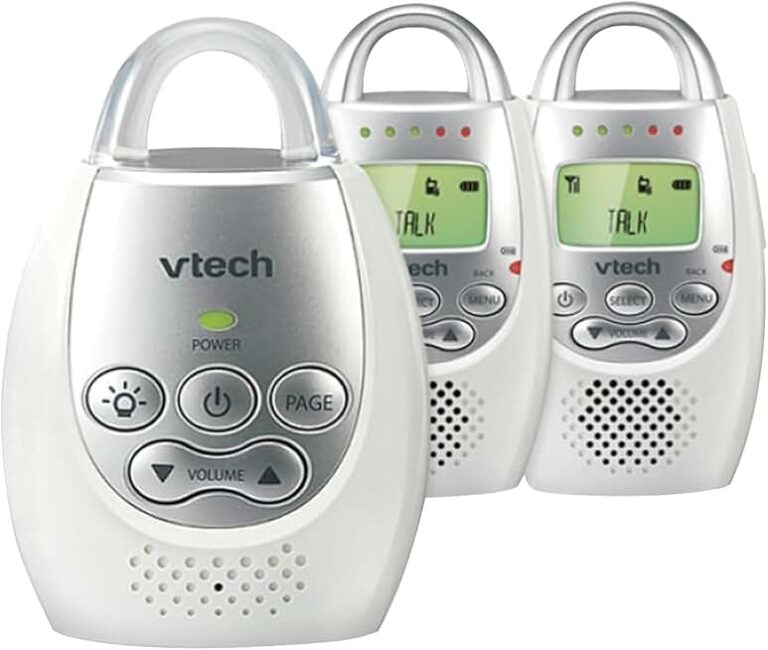
VTech DM221-2 Audio Baby Monitor with DECT 6.0 Technology
DECT 6.0 Technology ensures crystal-clear audio with no interference.
Check Price on AmazonTypes of Caregiver Monitors
Health Monitoring Devices
Health monitoring devices can track vital signs such as heart rate, blood pressure, and oxygen levels. Some advanced models also monitor glucose levels for seniors with diabetes. These monitors can often send data directly to caregivers or healthcare professionals, ensuring timely interventions when necessary.
Motion Sensors
Motion sensors are essential for monitoring the activity levels of seniors. These devices can detect movement in different areas of the home, providing insights into daily routines. If movement stops for an extended period, alerts can be sent to caregivers, indicating a potential issue.
Wearable Devices
Wearable devices, like smartwatches, can track health metrics and also feature emergency alerts. Many seniors find wearables comfortable and easy to use. These devices often come with fall detection technology, which can automatically alert caregivers if a fall is detected.
Video Monitors
Video monitors allow caregivers to see and hear what is happening with their loved ones. They can provide reassurance and help monitor activities without being intrusive. Some models even offer two-way audio, so you can communicate directly with your loved one.
Key Features to Consider
Ease of Use
Look for devices that are easy to set up and operate. Seniors may not be tech-savvy, so the simpler the device, the better. Consider whether the monitor has a user-friendly interface and clear instructions.
Connectivity
Ensure the caregiver monitor connects easily to smartphones or computers. Many monitors use apps to relay information, so check for compatibility with your devices. A reliable internet connection is also essential for remote monitoring.
Alerts and Notifications
Choose a device that can send alerts for specific events, such as irregular vital signs or lack of movement. Different monitors have various notification methods, including text messages, app notifications, or phone calls. Select one that suits your communication style.
Battery Life
Long battery life is crucial for wearable devices. You do not want to worry about charging the device every day. Look for monitors that offer extended battery life to ensure continuous monitoring without frequent interruptions.
Privacy Features
Privacy is a significant concern for many seniors. Check if the device has options for privacy controls, such as turning off video feeds or limiting data sharing. This will help your loved one feel safe and respected.
Choosing the Right Caregiver Monitor
Assess Your Needs
Before purchasing a caregiver monitor, assess the specific needs of your loved one. Consider their health conditions, mobility, and daily routine. Different devices cater to different requirements, so understanding these factors will guide your choice.
Research Product Options
Take the time to research various caregiver monitors available on the market. Read product reviews and compare features and prices. This will help you find a device that meets your loved one’s needs while fitting your budget.
Consult with Healthcare Professionals
Before making a final decision, consult with healthcare professionals. Doctors or geriatric specialists can provide valuable insights on which monitoring devices are best suited for your loved one’s health conditions.
Involve Your Loved One
Involve your loved one in the selection process. Discuss the available options and consider their preferences. This can help them feel more comfortable with the technology and encourage them to use it consistently.
Practical Caregiver Tips
Remote Setup and Monitoring
If you live far away from your loved one, consider devices with remote setup capabilities. Many modern caregiver monitors can be set up through mobile apps, allowing you to configure settings from anywhere. Make sure to familiarize yourself with the app features for effective remote monitoring.
Regular Check-ins
Even with monitoring devices in place, regular check-ins are essential. Schedule visits or phone calls to stay connected. This personal touch can enhance your loved one’s emotional well-being and provide reassurance.
Stay Informed
Stay updated on the latest technology trends in caregiver monitors. New features and improvements appear frequently. Subscribe to newsletters or join online communities to share experiences and learn from other caregivers.
Conclusion
Caregiver monitors are invaluable tools that can enhance the safety and well-being of seniors. By understanding the different types of monitors available and key features to consider, you can make an informed decision. Remember to include your loved one in the selection process and consult with healthcare professionals to ensure the best fit for their needs. With the right caregiver monitor, you can enjoy greater peace of mind while providing care.