What Are Compression Socks?
Compression socks are specialized garments designed to apply gentle pressure to your legs and feet. This pressure helps improve blood circulation, which can be particularly beneficial for seniors. Many people wear compression socks to alleviate swelling, reduce discomfort, and prevent blood clots. These socks come in various styles, lengths, and compression levels, making them suitable for different needs and preferences.
Benefits of Compression Socks for Seniors
As we age, circulation issues can become more common. Here are some benefits of wearing compression socks:
Improved Blood Circulation
Compression socks help improve venous blood flow. This is especially crucial for seniors who may have conditions that affect circulation. Better circulation can lead to increased energy levels and reduced fatigue.
Reduced Swelling
Many seniors experience swelling in their legs and feet due to various factors, including prolonged sitting or standing. Compression socks can help reduce this swelling by promoting fluid movement back toward the heart.
Prevention of Blood Clots
Seniors are at a higher risk for blood clots, especially during long periods of inactivity. Compression socks can help prevent deep vein thrombosis (DVT) by encouraging blood flow in the legs.
Relief from Pain
For seniors suffering from various conditions such as arthritis or varicose veins, wearing compression socks can provide comfort and help alleviate pain. The gentle pressure can ease discomfort and provide support for tired legs.
Choosing the Right Compression Socks
When selecting compression socks, there are several factors to consider. Here are some tips to help you make the best choice.
Compression Level
Compression socks come in different levels of pressure, measured in millimeters of mercury (mmHg). Here is a breakdown of common compression levels:
- 8-15 mmHg: Light compression. Good for minor swelling and fatigue.
- 15-20 mmHg: Moderate compression. Ideal for managing mild swelling and discomfort.
- 20-30 mmHg: Firm compression. Recommended for moderate to severe swelling and prevention of DVT.
- 30-40 mmHg: Extra firm compression. Used for severe conditions and often requires a doctor’s recommendation.
For most seniors, a compression level of 15-20 mmHg is suitable for everyday use. However, consult with a healthcare provider to determine the best level for your specific needs.
Length and Style
Compression socks come in various styles, including knee-high, thigh-high, and full pantyhose. The right choice depends on your comfort and the area that needs compression:
- Knee-high socks: Ideal for general leg support and effective for moderate swelling.
- Thigh-high socks: Provide additional support for those with swelling in the upper leg.
- Pantyhose: Offer full leg coverage and are suitable for those needing compression in the abdomen as well.
Consider which length will be most comfortable and effective for your needs.
Material and Breathability
Compression socks are made from different materials. Look for options that are breathable and moisture-wicking. This is especially important for seniors who may have sensitive skin or are prone to overheating. Materials like nylon, spandex, and cotton blends are common choices.
Fit and Size
Proper fit is crucial for the effectiveness of compression socks. Measure the circumference of your calf, ankle, and thigh (if applicable) to determine your size. Many brands provide size charts to help you choose the right fit. A sock that is too tight can cause discomfort, while one that is too loose will not provide the necessary compression.
How to Use Compression Socks
Wearing compression socks correctly is essential to reap their benefits. Here are some practical tips for seniors and caregivers:
Putting on Compression Socks
Putting on compression socks can be challenging for some seniors, particularly those with limited mobility. Here are some steps to make it easier:
- Choose the right time: Put on socks in the morning when your legs are least swollen.
- Use a sock aid: Consider using a sock aid or tool designed to help put on compression socks more easily.
- Roll the sock: Roll the sock down to the toe and then slide it onto your foot, gradually unrolling it up your leg.
Wearing Schedule
It is usually recommended to wear compression socks throughout the day. However, consult a healthcare provider to establish a wearing schedule that suits your needs. In general, you may be advised to wear them during the day and remove them before bedtime.
Care and Maintenance
Taking care of your compression socks will extend their lifespan. Here are some tips:
- Wash regularly: Hand wash or machine wash on a gentle cycle using mild detergent. Avoid fabric softeners.
- Air dry: Do not use a dryer. Instead, lay them flat to dry to maintain elasticity.
- Inspect for wear: Regularly check for signs of wear and replace them as needed.
Our Top Pick for Compression Socks
After careful consideration, we picked the
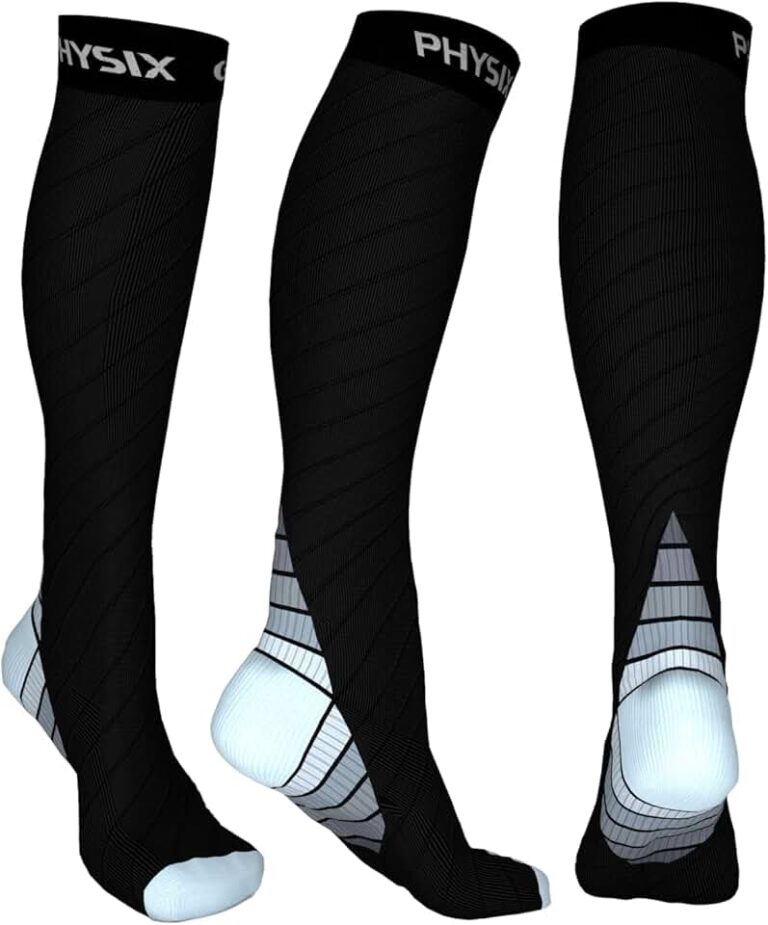
Physix Gear Compression Socks for Men & Women
Graduated Compression: 20-30 mmHg pressure improves circulation.
Check Price on AmazonFrequently Asked Questions
Who should wear compression socks?
Compression socks are suitable for seniors, individuals with circulation issues, pregnant women, and anyone who spends long periods sitting or standing. Always consult a healthcare provider if you are unsure.
Can compression socks be worn all day?
Yes. Most people can safely wear compression socks throughout the day. However, it is essential to follow your healthcare provider’s advice regarding wear time and levels of compression.
Are there any side effects of wearing compression socks?
For most people, compression socks are safe. However, some may experience discomfort or skin irritation. If you notice any adverse effects, discontinue use and consult a healthcare provider.
Conclusion
Compression socks can significantly enhance comfort and health for seniors. By following this guide, you will be better equipped to choose the right pair for your needs. Remember to consult with a healthcare provider for personalized advice. With the right compression socks, your legs can feel more comfortable and energized, allowing you to enjoy daily activities with ease.