Caring for someone with dementia is an evolving challenge. What works in the early stages stops working as the condition progresses. Technology cannot cure dementia, but the right tools at the right stage can preserve independence longer, reduce caregiver stress, and prevent dangerous situations.
This guide organizes technology by the problems it solves, with honest guidance about when each tool is most useful and when it may no longer be appropriate.
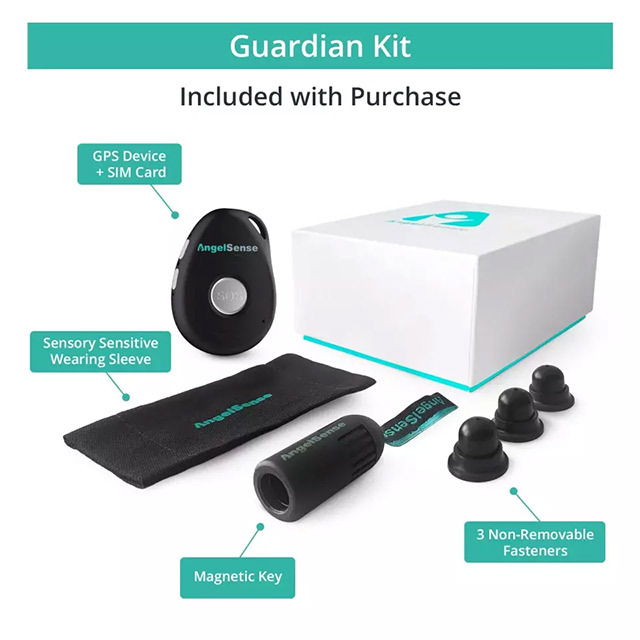
AngelSense GPS Tracker
Continuous GPS tracking with auto-answer calling for dementia
Check Price on AmazonThe Three Stages and What Technology Can Do
Dementia is not a single state. It progresses, and the technology needs change at each stage.
Early stage: The person is mostly independent but has increasing forgetfulness. They might miss medications, forget appointments, or occasionally get confused about directions. Technology at this stage focuses on reminders and safety nets that work quietly in the background.
Middle stage: Daily tasks become difficult. They may wander, forget how to use familiar devices, or become confused about time and place. Technology shifts to simplified interfaces and active monitoring.
Late stage: The person needs full-time assistance. Technology at this stage primarily supports the caregiver rather than the person with dementia, helping with medication management, location tracking, and care coordination.
Wandering Prevention: The Most Urgent Safety Need
Wandering is one of the most dangerous behaviors associated with dementia. Six out of ten people with dementia will wander at some point. If not found within 24 hours, up to half may suffer serious injury or death. This is not a distant risk. It is an immediate, ongoing concern once the behavior begins.
The AngelSense GPS tracker was originally designed for children with autism who elope (leave safe areas unexpectedly). This makes it uniquely well-suited for dementia care because it addresses the same core challenge: keeping someone safe who does not understand or cannot communicate danger.
What makes AngelSense different from a standard GPS tracker:
- Non-removable design: The device attaches to clothing with a magnetic pin system that requires a special tool to remove. For someone who would take off a watch or lose a clip-on tracker, this is essential.
- Real-time tracking: Unlike trackers that update every few minutes, AngelSense provides continuous GPS updates. When your parent leaves a safe zone, you see exactly where they are and which direction they are heading, in real time.
- Geofencing alerts: Set virtual boundaries around the home, a day program, or any regular location. The moment the device crosses that boundary, you receive an immediate phone alert.
- Two-way voice: You can call the device and speak to your parent through a small speaker. You can also enable “listen-in” mode to hear what is happening around them, which helps you assess whether they are in distress or simply on a walk with a caregiver.
- Route replay: See exactly where they went and when. This helps identify patterns, like a regular time of day when wandering attempts happen.
When to introduce it: As soon as wandering becomes a possibility. Do not wait for the first incident. If your parent has started getting confused about familiar routes, leaving the house at unusual times, or expressing a desire to “go home” when they are already home, it is time.
Staying Connected When Smartphones Become Too Complex
There is a painful moment in dementia caregiving when you realize your parent can no longer use their phone. They cannot navigate the home screen, forget how to answer calls, accidentally call 911 repeatedly, or get confused by notifications. The instinct might be to take the phone away. But removing communication accelerates isolation, which worsens cognitive decline.
The solution is not a better smartphone. It is a radically simpler one.
The RAZ Memory Cell Phone replaces the entire smartphone interface with large photos of family members. There is no home screen, no app grid, no notifications, no voicemail. The person sees faces and taps the one they want to call. That is it.
Why this works for dementia:
- Face recognition persists: Even as dementia progresses, the ability to recognize familiar faces remains far longer than the ability to read names or remember phone numbers. Your parent may not remember your phone number, but they recognize your face.
- No wrong buttons: There is nothing to accidentally press that leads somewhere confusing. No settings menu, no browser, no way to get lost in the interface.
- Locked configuration: All settings are managed remotely by a caregiver through a web portal. The person with dementia cannot accidentally change anything.
- Incoming calls are screened: Only numbers you approve can ring through. This eliminates robocalls and scam calls, which are a serious problem for people with cognitive impairment.
Setup tip: Use clear, recent, well-lit photos of each contact showing their face from the shoulders up. Avoid group photos or photos with busy backgrounds. The goal is instant, effortless recognition.
Medication Management: Preventing Dangerous Errors
Medication mismanagement is one of the leading causes of hospitalization among people with dementia. The errors go in both directions: missed doses that let conditions worsen, and double doses because they forgot they already took their pills. For someone on blood thinners, heart medication, or diabetes drugs, either mistake can be life-threatening.
The Hero automatic pill dispenser takes medication management almost entirely out of the person’s hands. Here is how it works:
- You load the pills: Each medication goes into its own container inside the machine. You can load a month’s supply at once.
- Hero sorts and dispenses: At the scheduled time, the machine sorts the correct pills from multiple containers and dispenses them into a single cup. An alarm sounds to alert the person.
- Caregiver notifications: If the pills are not taken within a set window, you receive a notification on your phone. You can then call to remind them or ask a neighbor to check in.
- Lock mechanism: The machine is locked. The person cannot open it and take extra doses. This prevents the dangerous “did I already take that?” double-dosing.
When a pill dispenser is not enough: If your parent is at a stage where they would not respond to the alarm, would not understand what the dispensed pills are for, or might ignore the machine entirely, it is time for in-person medication assistance. The Hero works best in early-to-middle stages when the person still has the routine of taking pills but needs help getting the right ones at the right time.
Matching Technology to the Stage
Here is a practical framework for which technologies help at which stages:
Early stage (mild forgetfulness, some confusion):
- Hero pill dispenser for medication management
- RAZ Memory Phone to simplify communication
- Smart home reminders (Alexa routines for appointments, meal times)
- GPS tracker as a precaution, especially if they still drive or walk independently
Middle stage (needs daily assistance, wandering risk):
- AngelSense GPS tracker with geofencing (now essential, not optional)
- RAZ Memory Phone (if they can still initiate calls)
- Hero pill dispenser with caregiver monitoring
- Door and window sensors to alert when exits are used at unusual times
- Stove auto-shutoff devices for kitchen safety
Late stage (full-time care needed):
- AngelSense GPS tracker (for outings with caregivers or day programs)
- Hero pill dispenser (managed entirely by caregiver, but prevents access to medications)
- Companion devices like robotic pets for comfort and engagement
- The phone may no longer be useful at this stage
A Note on Dignity and Autonomy
Every piece of technology in this guide involves a tradeoff between safety and autonomy. A GPS tracker that cannot be removed protects someone from getting lost, but it also means they are being tracked without meaningful consent. A locked pill dispenser prevents dangerous errors, but it removes control over their own healthcare routine.
There are no easy answers here. The guiding principle should be: use the least restrictive option that keeps the person safe. If a simple pill organizer with phone reminders works, do not jump to a locked dispenser. If your parent still navigates their neighborhood safely, a basic phone location sharing feature may be enough before introducing a dedicated tracker.
Involve your parent in these decisions as much as possible, especially in the early stages when they can still participate meaningfully. “I would feel better knowing I can find you if you need help” is a very different conversation than installing tracking without their knowledge.
Frequently Asked Questions
My parent refuses to wear the GPS tracker. What do I do?
This is the most common challenge. The AngelSense attaches to clothing rather than being worn on the body, which helps. Some caregivers attach it inside a jacket pocket or clip it to a belt loop where it is less noticeable. If your parent consistently removes it, talk to their doctor. Resistance to safety measures is something the care team should know about, and they may have strategies that have worked for other patients.
Is it ethical to use listen-in features on a GPS tracker?
This is a personal and legal question that varies by jurisdiction. Many caregivers use listen-in only in emergency situations, such as when their parent has left the safe zone and they need to assess the situation before calling 911. Using it for routine surveillance is a different matter. Discuss this with your family and, if possible, with your parent’s care team or an elder law attorney.
How do I know when it is time to move from one stage of technology to the next?
Watch for the technology failing to achieve its purpose. If the pill dispenser alarm goes off and they ignore it regularly, if they no longer recognize faces on the phone, or if they are removing the GPS tracker despite the secure attachment, those are signals that the condition has progressed beyond what that particular tool can address. Regular check-ins with their neurologist or geriatrician help calibrate these transitions.
Can technology replace in-person caregiving?
No. Technology extends the reach and effectiveness of human caregiving, but it cannot replace it. A GPS tracker tells you where someone is, but it cannot bring them home. A pill dispenser sorts medications, but it cannot ensure they are swallowed. Think of technology as a force multiplier for caregivers, not a substitute.