When a senior with dementia wanders away from home, every minute matters. GPS trackers designed for seniors can alert caregivers the moment their loved one leaves a safe zone, providing real-time location data that helps bring them home quickly. But not all trackers are created equal, and choosing the wrong one can mean a device that sits in a drawer unused.
This guide covers what caregivers need to know about GPS tracking for seniors with cognitive decline — how the devices work, what features matter most, and how to introduce one without making your parent feel surveilled.
Who Needs a GPS Tracker?
GPS trackers are most valuable for seniors who:
- Have been diagnosed with Alzheimer’s or dementia at any stage
- Have wandered before — even once, even briefly
- Still go out independently but are starting to get confused about routes
- Live alone and might leave home at odd hours
- Resist wearing a medical alert pendant — some trackers are more discreet
According to the Alzheimer’s Association, six in ten people with dementia will wander at least once. Many do so repeatedly. A GPS tracker does not prevent wandering, but it dramatically reduces the time it takes to locate someone who has wandered.
Types of GPS Trackers for Seniors
Wearable Trackers
These clip onto clothing, attach to a belt, or wear as a watch. The advantage is that they stay with the person. The disadvantage is that a senior with dementia may remove them. Look for models that are not easily taken off, such as watch-style devices with locking clasps or shoe inserts.
Dedicated GPS Devices
Small, purpose-built devices like the AngelSense or Jiobit that can be clipped to clothing, placed in a pocket, or attached to a shoe. These typically have the best battery life and most caregiver-focused features, including listen-in capability and route history.
Smartwatches with GPS
An Apple Watch or similar device can provide GPS tracking alongside other health features. However, they require daily charging and a senior with dementia may not keep it on or charged. Best suited for early-stage dementia where the person is still managing daily routines.
Tile and AirTag Style Trackers
Apple AirTags and Tile trackers are inexpensive and easy to hide in a pocket or bag, but they are not true GPS devices. They rely on nearby smartphones to relay their location, which means they work poorly in rural areas or places with few people around. They also lack geofencing alerts. Use these as a backup, not a primary tracker.
What Features Actually Matter
Geofencing (Safe Zone Alerts)
This is the single most important feature. Geofencing lets you draw a virtual boundary around your parent’s home, yard, or neighborhood. When they cross that boundary, you get an immediate alert on your phone. The best devices let you set multiple zones — home, the senior center, a relative’s house.
Real-Time Tracking
You need to see where your parent is right now, not where they were 15 minutes ago. Look for devices that update location every one to three minutes. Some devices offer a “live mode” that updates every few seconds when you are actively tracking.
Battery Life
A tracker that dies after 8 hours is useless if your parent wanders at 3 AM and you do not notice until morning. Look for at least 24 hours of battery life, and ideally two to three days. Some devices like AngelSense offer a charging dock that doubles as a docking station, making it easy to charge overnight.
Durability and Water Resistance
Seniors may wear the device in the rain, drop it, or forget to take it off in the shower. At minimum, look for an IP65 or IP67 rating, which means it can handle splashes and brief submersion.
Two-Way Communication
Some GPS trackers include a speaker and microphone so you can call the device and talk to your parent. This is invaluable when they are lost and confused — hearing a familiar voice can calm them down and help you guide them home or to safety.
Recommended Devices
AngelSense GPS Tracker: Purpose-built for seniors with dementia and individuals with special needs. Features include real-time GPS, geofencing, route history, two-way voice calls, a listen-in feature, and a guardian app that multiple caregivers can use. The device attaches to clothing with a magnetic pin that is difficult to remove. Monthly plans start around $40. This is the gold standard for dementia caregivers.
Jiobit (by Life360): Extremely small and lightweight. Clips to clothing or attaches to a shoe. Uses a combination of GPS, Wi-Fi, cellular, and Bluetooth for accurate indoor and outdoor tracking. Battery lasts about a week. Monthly plans start around $15. Good for seniors who would remove a larger device.
Apple Watch SE with Family Setup: If your parent is in the early stages of dementia and still somewhat tech-capable, an Apple Watch lets you track their location, set up fall detection, and call them directly. Requires a cellular plan (about $10/month extra). Battery needs daily charging, which is the biggest limitation.
How to Introduce a GPS Tracker Without Conflict
This is often the hardest part. Many seniors with early-stage dementia are aware enough to feel insulted by a tracking device but not aware enough to understand why it is needed. Here are approaches that caregivers have found effective:
Frame It as Safety, Not Surveillance
Say “This helps me worry less” rather than “This tracks where you go.” Many seniors respond well to the idea of helping their child feel better, even if they do not fully understand the technology.
Make It Part of a Routine
Attach the tracker to something they already wear every day — their favorite jacket, a belt, or shoes they always put on before going out. The less it feels like a new thing, the more likely they are to keep it.
Involve Their Doctor
Some seniors accept recommendations from their doctor more readily than from family. Ask the doctor to mention the tracker as a standard safety recommendation, similar to a medical alert device.
Start Early
The best time to introduce a tracker is before the first wandering incident, while your parent can still participate in the decision. Waiting until after a crisis makes the conversation harder and more emotional.
Monthly Costs to Expect
GPS trackers require a cellular connection to transmit location data, which means an ongoing monthly fee:
- AngelSense: $40-50/month depending on the plan
- Jiobit: $15-30/month depending on features
- Apple Watch cellular: $10-15/month added to a phone plan
These costs are significant, but consider the alternative. A single search-and-rescue operation for a wandering senior costs thousands of dollars and, more importantly, puts your parent’s life at risk. The monthly fee is an insurance policy you hope to never need.
Bottom Line
If your parent has dementia, a GPS tracker is not optional — it is essential. Start with a device that fits their lifestyle and tolerance level. AngelSense is the best overall choice for dedicated dementia care. Jiobit works well for seniors who would remove a more visible device. Whatever you choose, set up geofencing alerts immediately, test the device thoroughly, and make sure multiple family members have access to the tracking app. The peace of mind is immediate and profound.
Our Pick: AngelSense GPS Tracker
If you’re shopping in this category, here’s our one recommendation.
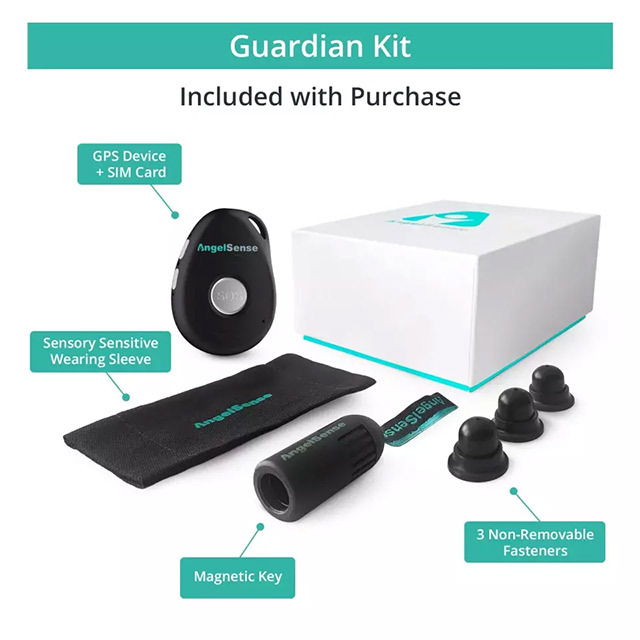
AngelSense GPS Tracker
Continuous GPS tracking with auto-answer calling for dementia
Check Price on Amazon