Understanding Glucose Monitors
Managing blood sugar levels is crucial for seniors and caregivers, especially for those living with diabetes. Glucose monitors are essential tools that help you keep track of blood glucose levels, providing valuable information to manage health effectively. In this guide, you will learn about glucose monitors, what features to consider, and how to choose the best device for your needs.
Before diving into specifics, we want to highlight our top pick for glucose monitors. You can find it below:
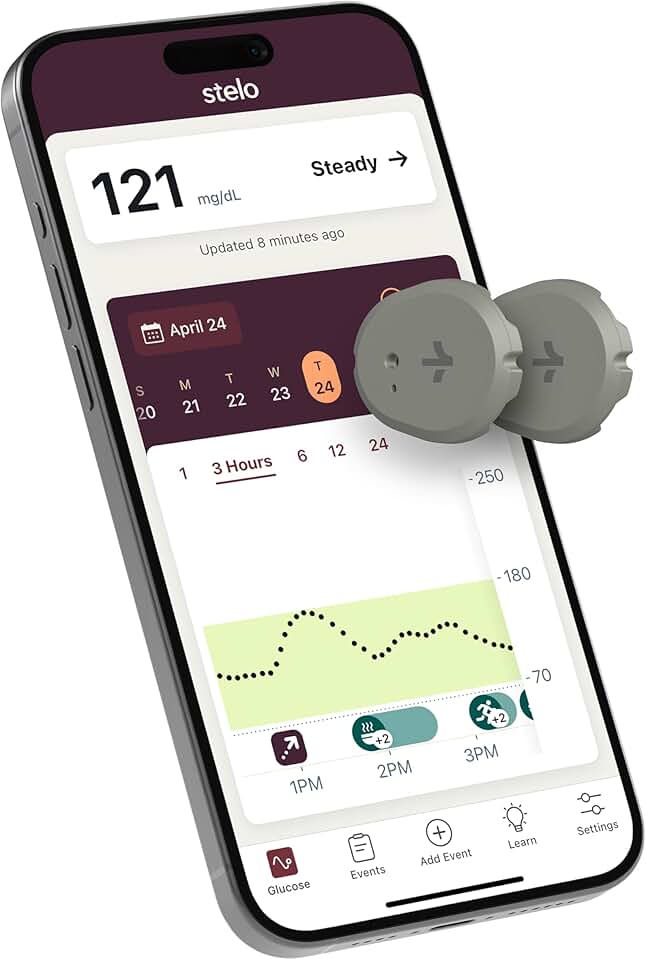
Freestyle Libre 2 Continuous Glucose Monitoring System
14-Day Sensor Wear: Each sensor lasts for 14 days, reducing the frequency of changes.
Check Price on AmazonWhat is a Glucose Monitor?
A glucose monitor is a device that measures the amount of glucose in your blood. These devices are essential for managing diabetes, as they help you understand how food, exercise, and medication affect your blood sugar levels. Monitoring glucose levels regularly can help you make informed decisions about your diet and lifestyle.
Types of Glucose Monitors
There are two main types of glucose monitors: traditional blood glucose meters and continuous glucose monitors (CGMs).
Traditional Blood Glucose Meters
Traditional blood glucose meters require you to prick your finger to obtain a small blood sample. You then insert the sample onto a test strip, and the device displays your blood sugar level. These meters are generally affordable, easy to use, and provide quick results.
Continuous Glucose Monitors (CGMs)
CGMs are more advanced devices that continuously track your glucose levels throughout the day and night. They use a small sensor inserted under your skin to measure glucose levels in your interstitial fluid. CGMs send data to a smartphone app or display, allowing for real-time monitoring. While they are more expensive than traditional meters, CGMs offer the benefit of continuous tracking and alerts for high or low blood sugar levels.
Key Features to Consider
When choosing a glucose monitor, consider the following features:
Accuracy
Accuracy is crucial for effective diabetes management. Look for devices that have been clinically validated for accuracy. Check user reviews and product specifications to ensure reliability.
Ease of Use
A user-friendly design is essential, especially for seniors. Look for features like large displays, simple navigation, and minimal steps for testing. Some devices come with voice instructions, which can be helpful for those with vision issues.
Data Storage and Sharing
Many modern glucose monitors can store data from multiple tests. Some devices allow you to share data with caregivers or healthcare providers via apps or cloud services. This feature can help with better management and communication regarding your health.
Cost of Test Strips
For traditional blood glucose meters, consider the cost of test strips, as these can add up over time. Some devices use more affordable strips than others. Ensure the cost fits within your budget.
Alerts and Alarms
If you choose a CGM, look for alerts for high or low blood sugar levels. This feature can provide peace of mind for both seniors and caregivers, ensuring that immediate action can be taken when needed.
How to Choose the Right Glucose Monitor
Selecting the right glucose monitor involves understanding your specific needs and preferences. Here are steps to help you make the right choice:
Assess Your Needs
Consider how often you need to monitor glucose levels. If you require frequent testing, a CGM might be more beneficial. For occasional monitoring, a traditional blood glucose meter may suffice.
Consult Healthcare Providers
Before making a purchase, consult with your doctor or diabetes educator. They can provide recommendations based on your health status and lifestyle.
Try Before You Buy
If possible, try out different models at a pharmacy or medical supply store. This hands-on experience can help you determine what feels comfortable and easy to use.
Setting Up and Using Your Glucose Monitor
Once you have chosen a glucose monitor, setting it up properly is essential for accurate results. Here are some practical steps:
Follow Instructions
Carefully read the user manual provided with your device. Each monitor has specific setup instructions, including inserting batteries, calibrating the device, and connecting to apps if applicable.
Practice Testing
Practice using the monitor with guidance from a caregiver or healthcare professional. Make sure you are comfortable with the blood sampling process and interpreting the results.
Keep a Log
Maintain a log of your readings to track patterns and inform your healthcare provider. Many devices offer digital logging, but a simple notebook can work as well.
Practical Caregiver Advice
As a caregiver, you play a crucial role in supporting seniors with glucose monitoring. Here are some tips to enhance your support:
Remote Monitoring
If the glucose monitor has sharing capabilities, set it up to allow you to receive alerts or view readings remotely. This can help you stay informed about your loved one’s health.
Encourage Regular Testing
Encourage seniors to test their blood sugar levels as advised by their healthcare provider. Establish a routine to make testing a regular part of daily life.
Educate on Diet and Lifestyle
Help seniors understand how their diet and lifestyle affect blood sugar levels. Encourage healthy eating, regular exercise, and medication adherence to help manage diabetes effectively.
Conclusion
Glucose monitors are vital tools for managing diabetes and maintaining good health. By understanding the types, features, and how to choose the best glucose monitor, both seniors and caregivers can make informed decisions. Remember to consult healthcare providers and practice using the device to ensure accurate monitoring. With the right support and tools, you can manage blood sugar levels effectively and enhance quality of life.