Is the MedReady 1700 Automatic Pill Dispenser Worth It?
For seniors who struggle with managing multiple medications, the MedReady 1700 Automatic Pill Dispenser offers a robust solution. Its primary aim is to ensure that the right medication is taken at the right time, minimizing the risks of missed or double doses. This is particularly crucial for older adults who live independently or have memory challenges. Based on our research, this device can offer peace of mind to both seniors and their caregivers by automating a critical aspect of daily healthcare.
The importance of a reliable pill dispenser cannot be overstated. As people age, the likelihood of requiring multiple medications increases, often leading to confusion and potential health risks if not managed correctly. The MedReady 1700 combats this by simplifying the process, providing visual and auditory reminders that can be highly effective for those with visual or auditory impairments. Compared to professional in-home healthcare services, which can be quite costly, a one-time investment in a device like this could be a more affordable long-term solution.
Who This Is For (and Who It’s Not For)
This product is ideal for seniors who live alone and need assistance with managing their medication schedules. It’s particularly suited for individuals with mild cognitive impairments who can still operate a simple device but may forget to take their pills without reminders. Caregivers who want an extra layer of assurance without constant oversight will also find this device beneficial.
If your parent is technologically averse or finds devices challenging to operate, this might not be the best choice. Additionally, for those who require frequent medication adjustments or have complex medication regimens, a more customizable or hands-on solution might be better. In such cases, exploring options like digital medication reminders on smartphones or engaging a professional in-home healthcare service could be more effective.
Why This Beats the Alternatives
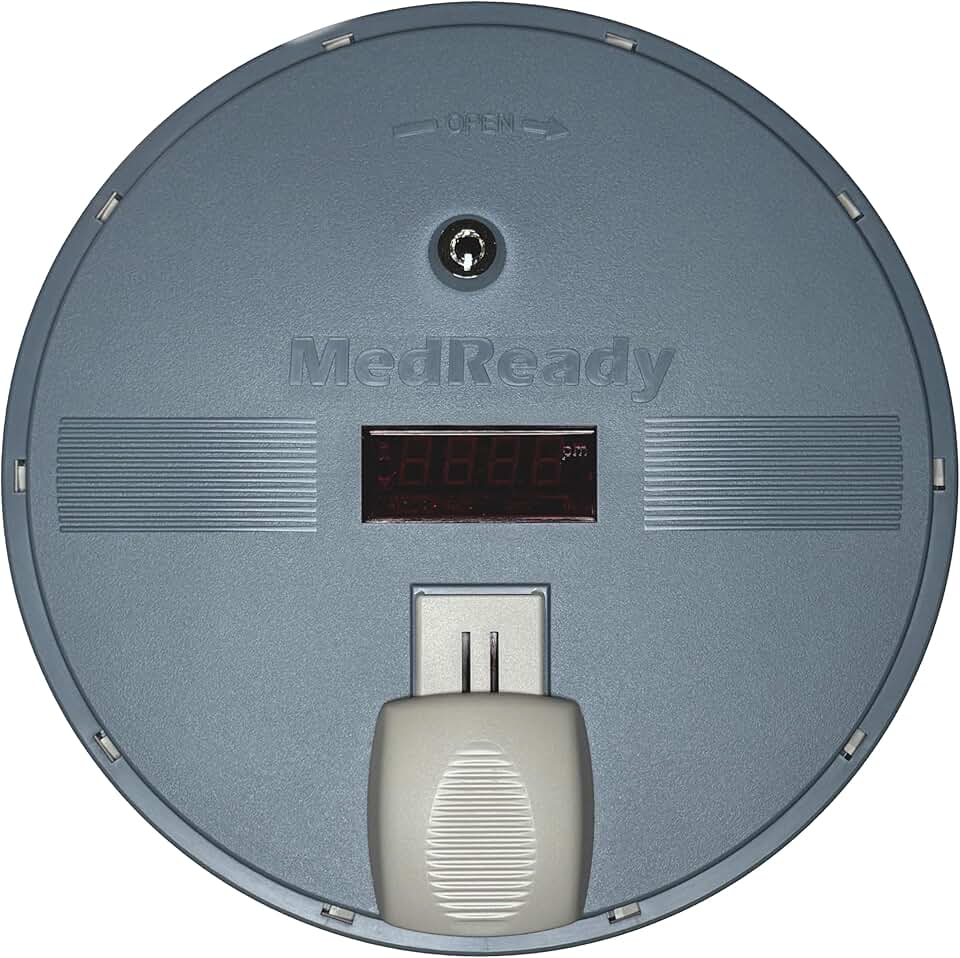
We picked the MedReady 1700 for its simplicity and reliability. Unlike competitors such as the GMS Med-e-lert or LiveFine Automatic Dispenser, the MedReady focuses on durability and ease of use rather than extra features that might overwhelm a senior user. It offers a straightforward approach to medication management, with a lockable lid for security and a loud alarm to ensure doses aren’t missed.
Another advantage is its large capacity, accommodating up to a month’s worth of medication, which is not always seen in similar devices. This reduces the frequency of refilling, making it less burdensome for caregivers and ensuring continuity for the user.
Key Features That Matter for Seniors
Large Capacity: The dispenser can hold up to 28 doses of medication, allowing for up to four daily doses for a week or a full month of daily doses. This is particularly useful for seniors with complex medication schedules, as it reduces the need for frequent refills.
Auditory and Visual Alerts: The MedReady 1700 emits a loud alarm and has a flashing light to alert the user when it’s time to take their medication. This dual-alert system is beneficial for those with hearing or vision impairments, ensuring the reminders are noticeable.
Lockable Lid: The lock feature prevents overdosing by restricting access to medications other than the scheduled dose. This is especially important for seniors with dementia or cognitive impairments who might otherwise accidentally take extra doses.
Battery Backup: In case of a power outage, the device has a battery backup feature that maintains the schedule. This ensures that the user’s medication routine isn’t disrupted, which is critical for those on strict medication timelines.
Ease of Use: The device is designed to be user-friendly, with simple functionality that doesn’t require tech-savviness. This makes it accessible to seniors who might find more complex technology intimidating.
Setup: What to Expect
Setting up the MedReady 1700 is fairly straightforward and should take about 30 minutes. Initially, you’ll need to load the medication into the compartments. It’s important to arrange this in advance, as the process requires careful placement according to the user’s medication schedule. Once the medication is loaded, secure the lid with the key provided.
Configuration involves setting the current time and programming the alarm times, which can be done using the straightforward interface. Caregivers should handle the initial setup and programming to ensure accuracy. Before leaving it to the senior, conduct a quick test by simulating a dose time to confirm that the alarms function correctly and that the medication is dispensed as programmed.
What to Know Before Buying
There are no ongoing fees or subscription requirements with the MedReady 1700, which is a significant advantage over some digital alternatives that require monthly subscriptions. However, it’s essential to maintain the device and replace the batteries periodically to ensure consistent operation.
The device is limited to 28 compartments, which may not suffice for those with more complex medication regimens requiring more than four doses a day. It’s also worth noting that while the battery backup is a great feature, regular power checks are advisable to avoid disruptions. Replacement parts like keys or trays may incur additional costs, so it’s wise to consider these potential expenses when budgeting.