The Fire That Almost Happened
Linda’s father, George, is 84 and has lived alone since Linda’s mother passed away three years ago. George cooks for himself every day. Eggs in the morning, soup for lunch, something simple for dinner. Last October, George put a pot of water on the stove to boil pasta. Then he sat down in his recliner to watch the news while he waited. He fell asleep. The water boiled off. The pot started smoking. The smoke detector screamed him awake 45 minutes later. The pot was ruined, the kitchen smelled like burnt metal for a week, and George was shaken. He told Linda about it casually. Linda did not sleep for three nights.
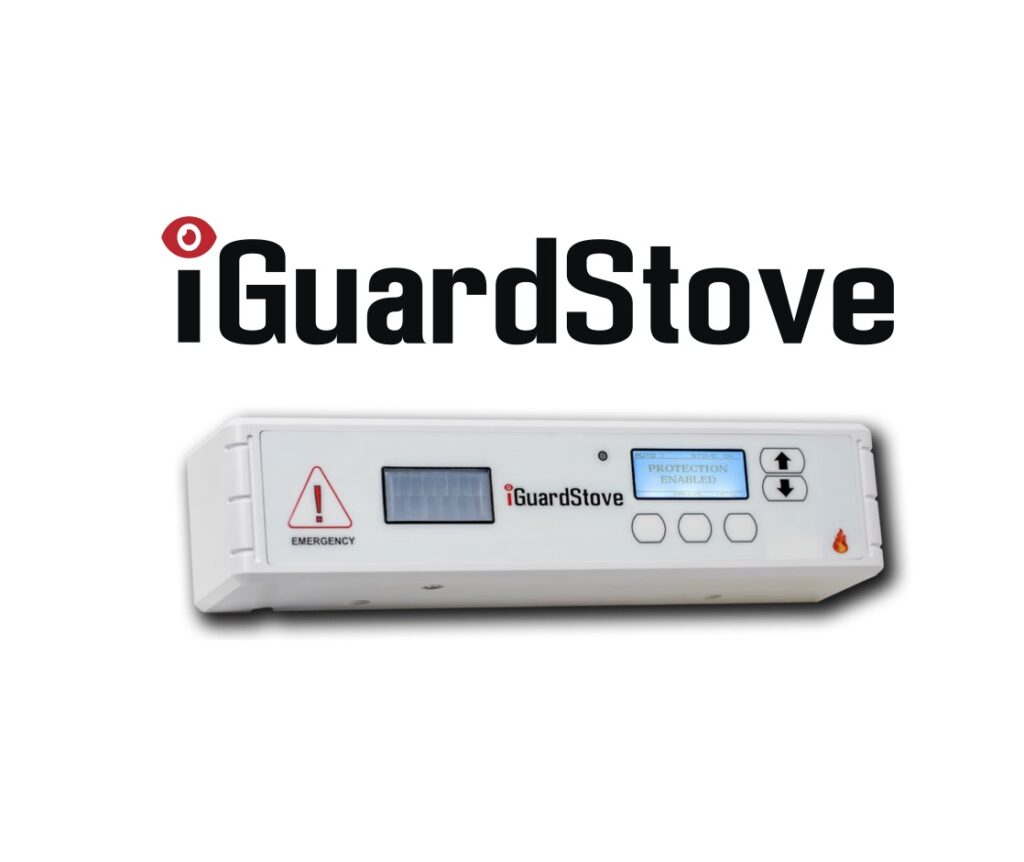
Cooking fires are the number one cause of home fires in the United States, and unattended cooking is the leading factor. For seniors living alone, especially those with any degree of memory loss, a stove left on is not a hypothetical risk. It is a statistical probability. The iGuardStove exists to solve this specific problem: it shuts off the stove automatically when nobody is in the kitchen to watch it.
Who This Is For (and Who It’s Not For)
The iGuardStove is designed for seniors who still cook independently but who have shown signs of forgetfulness around the stove. This includes leaving burners on after cooking, walking away from the kitchen while something is on the stove, or forgetting that they started cooking. It is also a proactive purchase for families who want to prevent a fire before the first incident happens.
This is NOT the right solution for someone who should no longer be using a stove at all. If your parent has moderate-to-advanced dementia and is unsafe in the kitchen for reasons beyond forgetting to turn off burners, such as putting inappropriate items on the stove or not recognizing fire, the answer is to disable the stove entirely and switch to meal delivery or microwave-only cooking. The iGuardStove prevents unattended cooking fires. It does not make a fundamentally unsafe cook into a safe one.
Why the iGuardStove
There are very few products in this category. You can buy a simple stove timer knob, but those require the senior to remember to set the timer every time they cook. You can remove the stove knobs, but that prevents cooking entirely. You can install a smoke detector (you should, regardless), but a smoke detector only alerts you after the problem has already started. The iGuardStove is the only product that actively monitors the kitchen and shuts off the stove before a fire begins.
The technology is straightforward. A motion sensor mounted on the kitchen ceiling or wall watches for human activity. When the stove is on and the sensor detects someone in the kitchen, everything operates normally. When the stove is on and the kitchen is empty, a countdown timer begins. Before the timer expires, the device beeps loudly to alert anyone nearby. If nobody returns to the kitchen, the device cuts power to the stove (electric) or closes the gas valve (gas). The stove turns off. The potential fire is prevented.
iGuardStove has been in production since 2015 and is recognized by fire departments and senior safety organizations across North America. It is not a startup gadget. It is a proven safety device with a decade of real-world use.
Key Features That Matter for Families
Automatic Shutoff: The core feature. When the motion sensor detects that the kitchen is empty and the stove is on, it starts a countdown. If nobody returns, the stove shuts off. No action required from the senior. The device handles everything.
Adjustable Timer: You can set the unattended cooking timer from 1 to 15 minutes depending on your parent’s cooking habits. If they tend to step out briefly to use the bathroom, set a longer timer. If they have a pattern of forgetting completely, set a shorter one.
Audible Warning: Before the stove shuts off, the device sounds a loud beep. This gives your parent a chance to return to the kitchen and reset the timer. Many users report that the warning beep alone changes behavior, as it reminds them to stay in the kitchen while cooking.
Smart Notifications: Some models include WiFi connectivity that sends alerts to a caregiver’s phone when the stove is shut off automatically. This gives adult children remote awareness of how often unattended cooking is happening.
No Stove Modification: The device does not alter the stove itself. The electric version plugs in between the stove’s power cord and the wall outlet, acting as a smart switch. The gas version adds a valve to the gas line. In both cases, the stove continues to function normally when someone is in the kitchen.
Setup: What to Expect
Electric stove installation is relatively simple. Plug the control unit between the stove and the wall outlet. Mount the motion sensor on the ceiling or wall with a clear view of the kitchen. Pair the two components and adjust the timer settings. A handy adult child can do this in about 30 minutes.
Gas stove installation is more involved and requires a licensed electrician or plumber. A gas shutoff valve must be installed on the gas supply line, and the control unit connects to that valve. Do not attempt gas installation yourself. Budget $150 to $300 for professional installation on top of the device cost. This is a one-time expense for a device that could prevent a catastrophic house fire.
After installation, test the system by turning on a burner and leaving the kitchen. The warning beep should sound after the set timer expires, followed by an automatic shutoff. Adjust the timer and motion sensor position as needed. The sensor should cover the main cooking area but not adjacent rooms, otherwise it may detect motion from the living room and keep the stove on when nobody is actually in the kitchen.
What to Know Before Buying
The $399 price feels steep for what amounts to a motion sensor connected to a power switch. But consider what it is actually preventing. The average kitchen fire causes $8,000 to $12,000 in property damage. A serious fire in a home with a senior living alone can be fatal. Measured against those outcomes, $399 is a small investment.
False shutoffs will happen during the first week as you dial in the motion sensor placement and timer settings. If the sensor is too close to the stove, steam from cooking may cause detection issues. If it is aimed too narrowly, stepping two feet to the left might take you out of the detection zone. Expect some adjustment. After the first week, most families report very few false shutoffs.
This device does not replace a smoke detector. You should have working smoke detectors in the kitchen and throughout the home regardless. The iGuardStove prevents the fire from starting. A smoke detector alerts you if one starts anyway. Both layers of protection matter. Also consider a fire extinguisher mounted within reach of the stove. The combination of prevention (iGuardStove), detection (smoke alarm), and suppression (fire extinguisher) provides comprehensive kitchen safety.