Why the Master Lock 5401EC Is the Best Key Safe for Seniors
When a senior lives alone, the question of home access is not just a convenience issue. It is a safety issue. If a fall happens and the doors are locked, how do emergency responders get in? If a caregiver arrives for a scheduled visit and the senior cannot get to the door, what happens next? If a family member needs to check on a parent after a missed phone call, how do they enter without breaking a window?
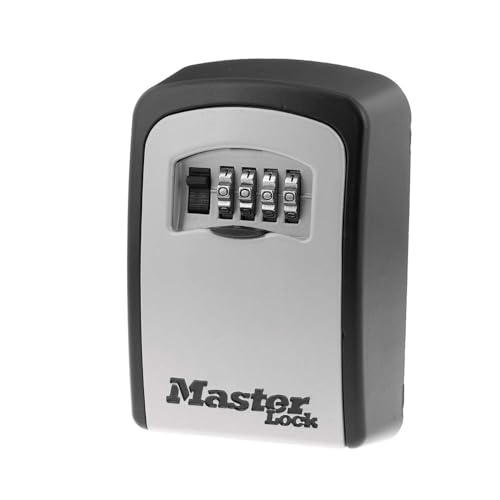
A key safe solves all of these problems. The Master Lock 5401EC is a wall-mounted lock box that holds spare keys behind a resettable 4-digit combination. The right people get in. Everyone else stays out. It is one of the simplest and most effective safety measures for aging in place, and it costs about the same as a nice lunch.
How It Works
The concept is straightforward. Mount the lock box near the front door (ideally at chest to eye height, in a location that is accessible but not prominently visible from the street). Place one or more house keys inside. Set a 4-digit combination. Share that combination with trusted caregivers, family members, and your medical alert service.
When someone needs to enter the home, they open the shutter door that protects the dials, enter the combination, and the box opens to reveal the keys. After using the key to enter, they return it to the box and close the shutter. The whole process takes about 15 seconds.
The Master Lock 5401EC holds up to five standard keys, which is enough for a front door key, a back door key, and a few spares. The internal compartment also has a small rubber liner that keeps keys from rattling.
Build Quality and Weather Resistance
The lock box body is die-cast zinc alloy, which resists prying, hammering, and corrosion. This is not a flimsy plastic case. The shackle mechanism that attaches to the wall mount is hardened steel, and the overall construction is designed to withstand deliberate tampering.
A protective shutter door covers the combination dials when not in use. This keeps rain, snow, and debris away from the mechanism. The unit performs reliably through winter cold, summer heat, and coastal humidity. Several real estate professionals and property managers have used this same model for years in all weather conditions without mechanical failure.
Setting and Changing the Combination
The 5401EC uses a set-your-own combination system. You choose any 4-digit code during initial setup using the included reset tool (a small metal key). The process takes about two minutes and is described clearly in the included instructions.
Changing the combination later is just as simple. This is important for senior care situations where access needs change. If a caregiver leaves and you need to update the code, you can do it yourself in minutes without replacing the lock box or calling a locksmith. You can also change the code periodically as a security measure.
Who Should Have the Combination
Think carefully about who needs the code. A practical list for most seniors living alone includes: one or two trusted family members, the primary caregiver or home health aide, and the medical alert monitoring service. If the senior uses a personal emergency response system (like Medical Guardian or Bay Alarm Medical), most services allow you to register the key safe location and combination in your profile. If the senior presses their alert button and cannot reach the door, the monitoring center can relay the key safe code to dispatched emergency responders.
Keep a written record of who has the combination and update it when circumstances change. Some families use a shared note in a password manager for this purpose.
Mounting the Lock Box
The Master Lock 5401EC attaches to any solid surface using the included mounting bracket. You will need a drill, appropriate screws, and wall anchors (wall anchors are not included in the box, so pick up a set that matches your exterior wall material). Mounting to wood siding, brick, or a door frame is straightforward. Stucco and stone may require masonry anchors.
The best mounting location is near the front door at a height between chest and eye level. Avoid mounting it directly on the front of the door (the door’s movement can loosen the bracket over time). A wall, pillar, or post within a few feet of the entrance works well. Some homeowners mount it inside a covered porch or behind a decorative element for added discretion.
The mounting process typically takes 15 to 20 minutes with basic tools. If you are not comfortable drilling into an exterior wall, a handyman can install it quickly and inexpensively.
Important Limitations
The combination dials on the 5401EC are small. This is the primary trade-off with the dial-style design. Seniors with significant arthritis or reduced finger dexterity may find the dials difficult to turn. If the senior themselves will need to open the key safe regularly (rather than just caregivers and family), consider a push-button model instead. Push-button key safes use larger, spring-loaded buttons that require less fine motor control.
The lock box also requires wall mounting with a drill. For renters or situations where drilling is not allowed, there are portable key safes that attach with a cable or shackle, though these are less secure.
Why a Key Safe Matters More Than You Think
Many families delay this simple step until after an emergency makes the need obvious. A locked door during a medical crisis can add critical minutes to response time. In the worst case, emergency responders may need to force entry, causing property damage and adding stress to an already frightening situation.
Installing a key safe takes less than 30 minutes and costs about $32. It provides permanent, reliable access for the people who need it most. For the peace of mind it offers to both the senior and their family, it is one of the most practical investments in aging-in-place safety available.