Is the Medical Guardian Mini Worth It?
The Medical Guardian Mini is designed to address a critical need for many seniors: having a reliable emergency alert system that balances functionality with user-friendliness. Our bottom-line recommendation is that this device is well-suited for seniors who live independently and desire a compact, easy-to-use device to assist them in the event of an emergency. It’s especially beneficial for those who may be prone to falls or other sudden medical incidents and want direct access to help without complex technology. Its simplicity and effectiveness make it a strong contender among medical alert systems.
For seniors, the stakes are high when living alone or even with minimal supervision. An emergency can arise at any moment, and quick access to assistance can make all the difference. While traditional medical alert systems can be cumbersome or intimidating, the Medical Guardian Mini offers a streamlined solution with fewer barriers to use. It requires a monthly monitoring fee, which is typical for devices in this category, but it is justified by the peace of mind it offers both the senior user and their family. Considering its reliable connectivity and ease of use, it’s our top pick in this category.
Who This Is For (and Who It’s Not For)
The Medical Guardian Mini is ideal for seniors who prefer a simple, no-nonsense device that they can easily carry with them. It’s perfect for those who are still mobile and active but want the reassurance of immediate help if needed. This is particularly useful for individuals who may have a health condition that could require urgent attention, such as heart issues or a history of falls.
This product might not be the best choice for seniors who already own comprehensive smart devices, like an Apple Watch, that include similar alert features. It also may not be suitable for dementia patients who might forget to carry or activate the device. For those needing GPS tracking for wandering, a more advanced device with location services would be a better fit.
Why This Beats the Alternatives
The Medical Guardian Mini stands out because of its compact design, ease of use, and reliable performance. Compared to bulkier models like the Life Alert, its small size is less intrusive and more comfortable for daily wear. Additionally, unlike some devices that require extensive setup, the Mini is straightforward from the moment it’s out of the box, which is a significant advantage for those who might not be tech-savvy.
Another reason this product excels is its robust emergency response service, which is on par with more expensive alternatives like Philips Lifeline. The Medical Guardian Mini also offers a long battery life and a strong signal range, ensuring that help is available when needed even from a distance. These features collectively make it a top contender for anyone looking for reliability without complexity.
Key Features That Matter for Seniors
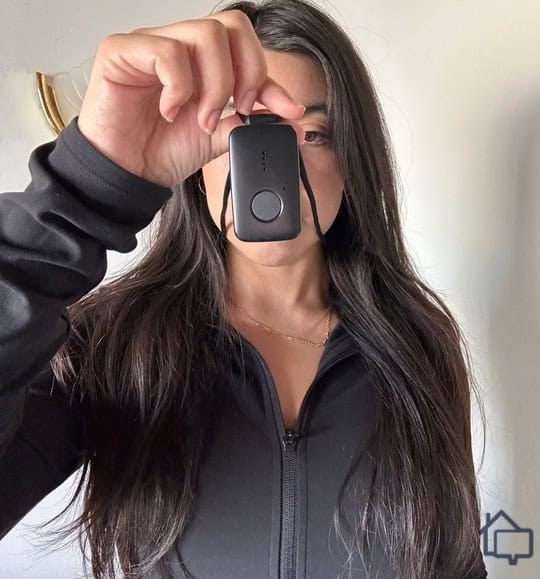
Compact Design: The Medical Guardian Mini is small and lightweight, which makes it comfortable for everyday use. Its unobtrusive design means it can be worn discreetly, offering peace of mind without drawing attention. For seniors, this is crucial as it ensures the device is worn consistently without being a burden.
Simple Activation: Operating the device is straightforward, with a single button press needed to connect to emergency services. This simplicity is vital for seniors who might struggle with complex gadgets. In a moment of crisis, ease of use can be life-saving.
Reliable Connectivity: The device maintains a strong connection to emergency services, crucial for effective medical alert systems. Unlike other devices that might drop calls or have limited service areas, this feature ensures that users are never left without support.
Long Battery Life: The Mini’s battery is designed to last for extended periods without needing a recharge, reducing maintenance demands on users. This feature is particularly important for those who might forget to charge regularly or have limited dexterity.
Water-Resistant Build: Accidents and emergencies can happen anywhere, including in wet environments like the shower. The Mini’s water-resistant design ensures it remains functional even if it gets wet, offering full protection during daily activities.
Setup: What to Expect
Setting up the Medical Guardian Mini is designed to be as hassle-free as possible. The initial physical setup is simple, taking about 15-30 minutes to unbox and prepare the device. Users will need to charge the device fully before use, which can take a few hours. Once charged, attaching the carrying accessory, such as a lanyard or belt clip, is straightforward and requires no technical skill.
For the account setup, caregivers or family members can assist seniors in registering the device online or via a phone call, which might take an additional 15-20 minutes. This process involves inputting personal information and emergency contacts. A test call to the monitoring center is recommended to ensure everything works as expected. This step is crucial to familiarize both the senior and their caregivers with how the device operates in an emergency.
What to Know Before Buying
It’s essential to understand the ongoing costs associated with the Medical Guardian Mini. It requires a monthly subscription fee for the monitoring service, which is a standard practice among medical alert systems. If the service lapses due to non-payment, the device will not connect to emergency services, rendering it ineffective. This is an important consideration for budget-conscious buyers.
Additionally, while the device offers excellent coverage, it’s primarily designed for use in the home and immediate surrounding areas. If a senior frequently travels or spends time in remote locations, the signal may not be as reliable. Battery life is robust but ensuring it’s charged regularly is crucial. Replacement parts, like charging accessories, may incur additional costs if they become lost or damaged.