Managing multiple medications is one of the most common and consequential challenges of aging. The average adult over 65 takes four to five prescription medications daily, and many take more. Each one may have different timing requirements, food interactions, and dosing schedules. Keeping it all straight without a system is nearly impossible, and the consequences of getting it wrong range from ineffective treatment to emergency hospitalization.
A pill organizer is the simplest, most affordable first line of defense. It separates the decision-making (which pills, which times) from the daily action (open compartment, take contents). When filled correctly once a week, it transforms a complex daily puzzle into a mindless routine. This guide covers the types of pill organizers available, what features matter for seniors, and when to consider upgrading to an automated system.
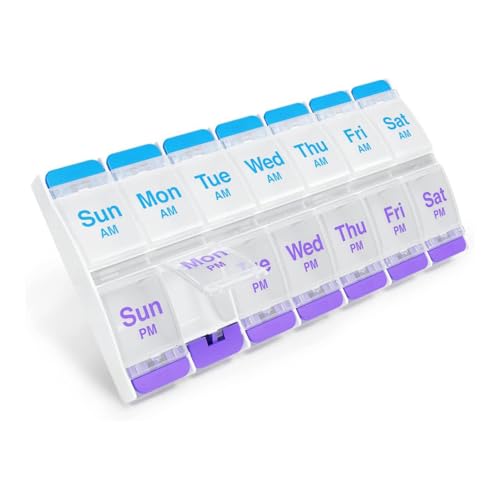
EZY DOSE Push Button 7-Day Pill Case, AM/PM
Extra-large push-button compartments with Arthritis Foundation Ease-of-Use certification for a full week of AM/PM medications.
Check Price on AmazonWhy Medication Adherence Matters So Much
The statistics on medication non-adherence are sobering. Approximately 50% of medications for chronic conditions are not taken as prescribed. Among seniors, the rate is even higher when cognitive decline, complex regimens, or physical difficulty opening bottles are factors.
Non-adherence leads to an estimated 125,000 deaths per year in the United States and accounts for 10% to 25% of hospital admissions. For conditions like high blood pressure, diabetes, and heart failure, skipping even a few doses per week can meaningfully worsen outcomes.
The reasons seniors miss doses are almost always practical rather than intentional. They forget. They get confused about whether they already took a dose. They cannot open the bottle. They lose track of which medication is which. They feel fine and decide they do not need it today. A good organizational system addresses most of these failure points.
Types of Pill Organizers
Daily Single-Compartment Cases
The simplest option: a small case with one compartment for each day of the week. You fill all seven compartments on Sunday, and each day you open one compartment and take everything inside. These work for people who take all their medications at the same time of day.
Pros: Tiny, portable, cheap (often under $5). Easy to toss in a purse or pocket. Cons: No AM/PM separation, no room for large pills or complex regimens, and the lids on cheap models can pop open in a bag.
Weekly AM/PM Organizers
The most popular format for seniors. Seven days, each with two compartments (morning and evening). This covers the majority of medication schedules, since most prescriptions are dosed once or twice daily. The EZY DOSE Push Button case is the best example of this category, with extra-large compartments and arthritis-friendly lids.
Pros: Handles twice-daily regimens, large enough for multiple pills, widely available. Cons: Not enough compartments for three or four daily doses, larger size means less portable.
Weekly Multi-Dose Organizers (3-4 Times Daily)
For seniors taking medications at breakfast, lunch, dinner, and bedtime, organizers with three or four compartments per day exist. They typically have 28 individual compartments across seven removable daily trays.
Pros: Accommodates complex regimens without any guesswork. Cons: Individual compartments are smaller (less room per dose), the organizer itself is large, and the many tiny lids can be difficult for arthritic hands. This is where the tradeoff between comprehensiveness and usability becomes real.
Monthly Pill Organizers
Monthly organizers have 28 to 31 compartments, one per day. They are useful for people who take the same single medication daily (like a blood thinner) and want a month-long visual confirmation system. They are less useful for complex multi-medication regimens because each compartment is typically small.
Travel Pill Cases
Small cases designed for a single day or a few days, meant to fit in a pocket, purse, or carry-on bag. If a senior uses a weekly organizer at home, a travel case lets them pull out just the days they need for a trip or an outing. Look for cases with secure latches that will not pop open in a bag.
Features That Matter for Seniors
Lid Mechanism
This is the single most important feature. If the lid is hard to open, the organizer will not get used. Push-button lids require the least effort: press down, lid pops up. Snap-fit lids require pinching and pulling, which is difficult with arthritic fingers. Sliding lids require pushing in a specific direction, which can be tricky for trembling hands.
If possible, test the lid mechanism before buying. If buying online, check reviews specifically from users who mention arthritis. The Arthritis Foundation Ease-of-Use certification is a reliable indicator, though only a few products carry it.
Compartment Size
Underestimating compartment size is the most common mistake. A senior taking five medications twice daily needs space for 10 pills per compartment, including large capsules like fish oil or calcium supplements. Cheap organizers with tiny compartments force pills to stack and jam, making it hard to get them out.
Look for “extra-large” or “jumbo” compartment designations, and check the actual dimensions or capacity (usually listed as “holds X aspirin-sized tablets”).
Visibility
Clear or translucent lids let you check at a glance whether today’s dose has been taken. Opaque lids require opening the compartment to check. For a caregiver calling to ask “Did you take your morning pills?” the ability to see without opening is a genuine convenience.
Labels and Readability
Day-of-week labels should be large, high contrast, and easy to read. Some organizers use abbreviations (M, T, W) that can cause confusion (is “T” Tuesday or Thursday?). Full day names or clear three-letter abbreviations (MON, TUE, WED) are better. If the built-in labels are hard to read, add your own with a label maker or permanent marker.
Removable Daily Trays
Organizers with removable daily trays let you take just one day’s tray when going out. They also make filling easier, since you can pull out all trays and fill them on a table rather than working within the frame of the organizer.
Pill Organizers vs. Automated Dispensers
A pill organizer is a passive tool. It holds pills in the right compartments, but it does not remind anyone to take them. An automated pill dispenser adds active features: alarms that sound at dosing times, locked compartments that only open at the scheduled time, and (in some models) caregiver notifications when a dose is missed.
When a Simple Organizer Is Enough
A basic pill organizer works well when the senior is cognitively clear enough to remember their medication routine, or when a simple phone alarm provides sufficient prompting. If the person reliably takes their pills when reminded, and the main challenge is sorting and organizing, a manual organizer is all you need.
When to Consider an Automated Dispenser
Consider upgrading to an automated dispenser when the senior forgets doses even with reminders, when they take the wrong dose (opening tomorrow’s compartment today), when they take pills at the wrong time, or when a caregiver needs remote verification that medications were taken. Automated dispensers cost significantly more ($50 to $100+ per month for subscription models), but they provide a level of oversight that a passive organizer cannot match.
The Middle Ground
Before investing in an automated dispenser, try the simplest possible combination: a good pill organizer plus a daily phone alarm (or smart display reminder). Set the alarm for medication time. When it goes off, open the organizer and take today’s dose. This costs essentially nothing beyond the organizer itself and works for a surprising number of people.
Tips for Caregivers Filling Pill Organizers
If you are a caregiver or adult child responsible for filling a parent’s pill organizer, these practices reduce errors and build a reliable routine.
Establish a Weekly Filling Day
Pick one day and time each week for filling. Sunday evening is common. Make it a habit rather than something you do “when you get around to it.” Consistency matters because a missed filling session means an empty organizer and a week of potential medication errors.
Use a Printed Medication List
Ask the pharmacy or doctor’s office for a printed medication schedule that lists every drug, the dose, and the time of day. Keep this list with the pill organizer. Use it as a checklist during filling. This prevents relying on memory, which is how errors happen.
Count and Verify
After filling each day’s compartments, count the pills. If the medication list says five pills in the morning compartment, count five. This takes an extra minute per day but catches errors before they happen.
Photograph the Filled Organizer
Take a phone photo of the filled organizer from above, with all compartments visible. If there is ever a question later in the week (“Did I put the blood pressure pill in Wednesday’s slot?”), you have a reference. This habit takes five seconds and provides enormous peace of mind.
Watch for Changes
When a doctor changes a medication, adds a new one, or adjusts a dose, update the filling routine immediately. Do not rely on the senior to communicate the change. Call the pharmacy or doctor directly to confirm the new regimen, update the printed medication list, and adjust the organizer accordingly.
When the Organizer Stops Working
A pill organizer is a tool, not a solution to cognitive decline. If a senior begins showing signs that the organizer system is failing (compartments opened out of order, pills left in completed days, the organizer unused for days at a time), it may indicate worsening memory or the onset of dementia.
This is not a failure of the tool. It is important diagnostic information. Document what you observe and share it with the senior’s doctor. It may prompt a cognitive assessment, a medication review (some medications cause confusion as a side effect), or a transition to supervised medication management.
Getting Started
If a senior in your life is not currently using a pill organizer, start with a simple weekly AM/PM model with push-button lids and extra-large compartments. Fill it together the first time. Set a phone alarm for medication times. Check in after the first week to see if the system is working.
At $12 or less, a pill organizer is the cheapest and most effective medication safety tool available. It does not replace a pharmacist, a doctor, or a caregiver. But it gives all three a reliable foundation to build on.