The Ear Infection That Did Not Require an ER Visit
George, 84, woke up on a Saturday morning with sharp pain in his left ear. His hearing on that side was muffled, and he felt warm. George lives with his daughter Susan in a rural town where the nearest urgent care is a 40-minute drive. The ER is even farther. George’s primary care doctor does not have Saturday hours. In the past, this would have meant a long drive to the ER, a four-hour wait, and a $250 copay for what was probably an ear infection.
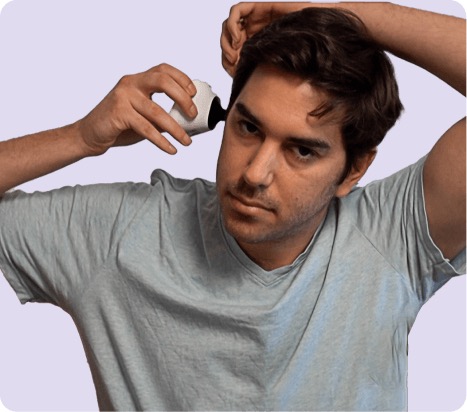
Susan pulled out the TytoCare kit from the hall closet. She scheduled a video visit through the TytoCare app, and within 20 minutes, a doctor appeared on screen. Susan followed the guided instructions to place the otoscope adapter on the TytoCare device and gently inserted the tip into George’s ear canal. The doctor saw the eardrum on her screen, clearly inflamed and red. She then guided Susan to use the stethoscope attachment to check George’s lungs (clear) and the thermometer to take his temperature (100.2F).
The doctor diagnosed an outer ear infection, called in antibiotic ear drops to the local pharmacy, and advised George to follow up with his primary care doctor on Monday if the pain did not improve. The entire visit took 25 minutes. George never left his recliner. The ER visit they avoided would have taken most of the day and cost significantly more.
Who This Is For (and Who It’s Not For)
The TytoCare kit is most valuable for seniors who face barriers to in-person medical visits. That includes people in rural areas far from doctors, seniors with mobility limitations who find it difficult to travel, those with compromised immune systems who should avoid waiting rooms, and families who are tired of ER visits for conditions that could be diagnosed over video if the doctor could just look and listen. Having the kit at home means the next time your parent has an earache, a cough that will not go away, or a sore throat, a doctor can conduct a real exam from the living room.
This is not the right purchase for families who live near their parent’s doctor and can easily arrange office visits. It is also not a replacement for emergency care. Chest pain, stroke symptoms, difficulty breathing, falls with potential fractures, these all require 911 and an emergency department. The TytoCare kit is designed for the kind of problems that need a doctor’s evaluation but are not emergencies: ear pain, respiratory infections, skin rashes, persistent coughs, and sore throats.
Why This Product
Standard telehealth visits have a fundamental limitation. The doctor can only see and hear what the phone or computer camera shows them. They cannot listen to lung sounds, look inside an ear, or examine the throat. This limits telehealth to conditions that can be diagnosed by conversation alone. The TytoCare kit bridges that gap by giving the doctor clinical-grade exam data during the video visit. It turns “I think it might be an ear infection” into “I can see the eardrum is inflamed” with a confident diagnosis and treatment plan.
The device is FDA-cleared, which distinguishes it from consumer health gadgets. The stethoscope attachment captures clinical-quality heart and lung sounds. The otoscope provides a clear view of the ear canal and eardrum. The tongue depressor camera lets the doctor see the throat as if the patient were sitting in an exam room. These are not novelty features. They are the same exam tools doctors use in office visits, miniaturized into adapters for a handheld device.
At $299, it is a significant investment for a consumer health product. But consider the alternative. A single ER visit for a non-emergency condition can cost $500 to $2,000 out of pocket depending on insurance. If the TytoCare kit prevents even one unnecessary ER trip per year, it pays for itself quickly.
Key Features That Matter for Seniors
Digital Stethoscope: The stethoscope adapter captures heart and lung sounds and transmits them to the doctor in real time during the video visit. The doctor hears exactly what they would hear with a physical stethoscope in an exam room. This is critical for evaluating respiratory infections, pneumonia symptoms, and heart murmurs. Lung sounds can tell a doctor whether a cough is bronchitis or something more serious.
Otoscope (Ear Exam): The otoscope adapter illuminates the ear canal and provides a magnified video image to the doctor. Ear infections, wax buildup, and eardrum problems are visible in real time. Ear pain is one of the most common reasons seniors visit urgent care, and it is one of the conditions most easily diagnosed remotely with the right tools.
Tongue Depressor Camera: The tongue depressor adapter includes a small camera that lets the doctor see the back of the throat, tonsils, and surrounding tissue. Sore throats, strep throat, and oral infections can be evaluated visually. The doctor can see redness, swelling, and white patches that indicate infection.
Thermometer: A built-in infrared thermometer takes forehead temperature readings. While not as precise as an oral thermometer, it provides a fast, contactless reading that integrates directly into the exam record. The doctor sees the temperature alongside the other exam data during the video visit.
Guided Exam Instructions: The app provides step-by-step on-screen instructions with illustrations showing exactly where to place each adapter. The doctor also provides verbal guidance during the live visit. Even if you have never used medical equipment before, the combination of visual instructions and doctor coaching makes the process manageable. The first exam takes the longest as you learn the process. By the second or third use, it feels routine.
Setup: What to Expect
Initial setup takes about 15 to 20 minutes. Unbox the device and adapters, download the TytoCare app, and create an account. The app guides you through a practice exam so you learn how each adapter works before you need to use it during a real visit. This practice session is important. Take your time with it. Using the otoscope to look in an ear and the tongue depressor camera to photograph the throat require a gentle hand and some spatial awareness.
The device connects to your WiFi network and communicates with the doctor’s interface through the cloud. During a live visit, the doctor sees video from the device in real time and can capture still images for the medical record. Make sure your parent’s WiFi is stable and reasonably fast. A poor connection will degrade the video quality and make it harder for the doctor to see clearly.
Plan for a caregiver or family member to be present during exams. While the app instructions are clear, the physical act of placing an otoscope in someone’s ear or holding a tongue depressor camera in the right position is easier with help. An adult child visiting for the weekend could conduct the exam with the doctor over video while the senior sits comfortably. Over time, regular helpers become comfortable with the process and can conduct an exam in 15 to 20 minutes.
What to Know Before Buying
The $299 purchase price covers the device and all adapters. There is no subscription for the device itself. However, telehealth visits through TytoCare’s provider network have their own costs, which vary by insurance plan. Some plans cover telehealth visits at a low copay. Others may charge the full visit fee. Check your parent’s insurance before scheduling the first visit so there are no surprises.
Not all telehealth providers support TytoCare integration. The device works best with providers in TytoCare’s own network, where the doctor’s interface is designed to receive and display the exam data in real time. You can still use the device to record exam data and share it with any doctor, but the live, interactive exam experience requires a compatible provider. Check TytoCare’s website for participating health plans and providers in your area.
The device requires a smartphone or tablet to run the TytoCare app. An iPad or large Android tablet is recommended over a phone because the larger screen makes it easier for both the doctor and the person conducting the exam to see instructions and video. The device pairs to the tablet via Bluetooth. Keep the tablet charged and the app updated so everything is ready when you need it. Medical needs do not wait for software updates, so keep the kit ready the way you would keep a first aid kit stocked and accessible.