Understanding Thermometers
As you age, monitoring your health becomes increasingly important. One essential tool in your health toolkit is a thermometer. Thermometers help you track your body temperature, which can be crucial in identifying fevers and other health issues. This guide will help you understand the types of thermometers available, what features to look for, and how to choose the best one for your needs.
Types of Thermometers
There are several types of thermometers available on the market today. Here are the most common ones:
Digital Thermometers
Digital thermometers are easy to use and provide quick, accurate readings. They can be used orally, rectally, or under the armpit. Many digital thermometers have large displays for easy reading, making them a great choice for seniors.
Infrared Thermometers
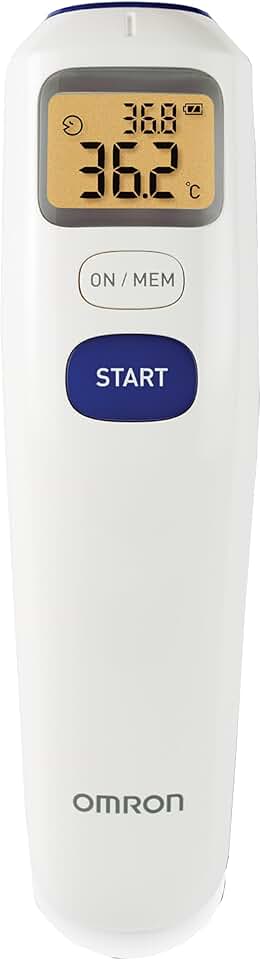
Infrared thermometers measure temperature without direct contact. They are often used on the forehead and are ideal for quick checks, especially in children or those who are unwell. Some models also allow you to measure the temperature of objects, which can be helpful for caregivers.
Ear Thermometers
Ear thermometers measure temperature inside the ear canal. They are relatively quick and easy to use but may not be suitable for everyone, especially seniors with earwax buildup.
Mercury Thermometers
Mercury thermometers are less common now due to safety concerns. They can break and release mercury, which is hazardous. It is best to avoid these and opt for safer alternatives.
Key Features to Consider
When selecting a thermometer, consider the following features:
Ease of Use
Look for a thermometer that is simple to operate. Large buttons and clear displays can make it easier for seniors to take their temperature independently.
Readability
A large, backlit display is essential for seniors who may have vision issues. Make sure the numbers are easy to read, especially in low light conditions.
Speed
Quick readings are especially important for caregivers who may be checking the temperature of multiple individuals. Look for thermometers that provide results in less than 30 seconds.
Memory Function
Some thermometers store previous readings. This feature can help you track temperature changes over time, which is useful for caregivers monitoring a loved one’s health.
Safety Features
Choose thermometers that are safe and easy to clean. Models that are waterproof or have detachable tips can simplify cleaning and maintenance.
How to Use a Thermometer
Using a thermometer correctly is essential for getting accurate readings. Here are the basic steps:
Digital Thermometer
- Turn on the thermometer and select the measurement method (oral, rectal, or underarm).
- Place the thermometer in the appropriate location and wait for the beep that signals the reading is complete.
- Read the temperature on the display.
Infrared Thermometer
- Turn on the thermometer and aim it at the forehead or object you want to measure.
- Press the measurement button and wait for the reading.
- Read the temperature displayed on the screen.
Ear Thermometer
- Pull the ear back slightly to straighten the ear canal.
- Insert the thermometer gently into the ear and press the measurement button.
- Wait for the beep and read the temperature.
Practical Caregiver Advice
As a caregiver, you play a vital role in monitoring the health of your loved ones. Here are some tips to make temperature monitoring easier:
Remote Setup
If you are setting up a thermometer for a senior, choose a model that is easy to understand and operate. Explain the process clearly and demonstrate how to use it. Consider writing down simple instructions that they can refer to.
Regular Monitoring
Establish a routine for checking temperature, especially if your loved one is unwell. Consistency can help you notice trends in body temperature and respond quickly if necessary.
Record Keeping
Keep a log of temperature readings. This can be helpful for doctors’ visits or if you need to discuss your loved one’s health with other caregivers. You can use a notebook or a digital app for this purpose.
Our Top Product Pick
For seniors and caregivers, we recommend the
Conclusion
Choosing the right thermometer can make a significant difference in managing health for seniors. Consider the types, features, and ease of use when making your decision. With the right thermometer, you can ensure accurate readings and better health monitoring for yourself or your loved ones.