When a younger person loses weight without trying, they usually notice quickly. Clothes feel loose. The number on the scale drops. Friends comment. But when a senior loses weight gradually, it can go undetected for months. They already wear loose, comfortable clothing. They may not own a scale or may not step on one regularly. Their social circle has shrunk, so fewer people see them often enough to notice the change. And the senior themselves may not realize it is happening because the loss is so gradual that each day feels the same as the last.
This is a problem, because unintentional weight loss in adults over 65 is one of the most important warning signs in geriatric medicine. It is not a cosmetic issue. It is a clinical red flag that something significant is going wrong, and the list of possible causes includes some of the most serious conditions that affect older adults.
The medical definition is specific: unintentional weight loss of 5% or more of body weight over a 6 to 12 month period. For a 160-pound person, that is 8 pounds. For a 130-pound person, that is 6.5 pounds. These are not dramatic numbers. They are easy to miss. And by the time they are noticed, the underlying cause has often been progressing for months.
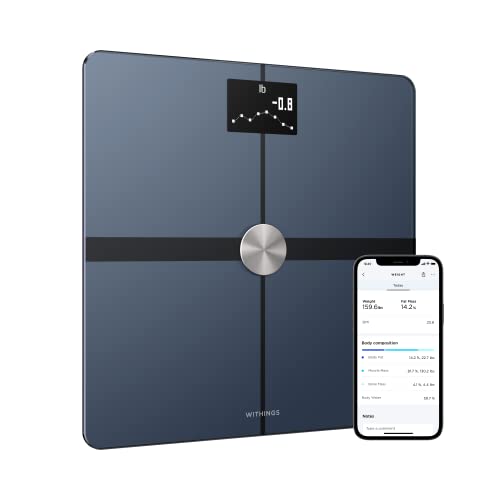
Withings Body+
WiFi-connected scale that tracks weight trends and syncs data to an app for remote caregiver monitoring
Check Price on AmazonWhat Unintentional Weight Loss Can Signal
The causes of unexplained weight loss in seniors span nearly every organ system. That is part of what makes it such an important symptom. It is the body’s general distress signal.
Cancer
Unexplained weight loss is one of the most common early presentations of cancer in older adults, particularly cancers of the gastrointestinal tract (stomach, colon, pancreas), lung, and blood (lymphoma, leukemia). The weight loss happens because cancer cells consume energy and alter metabolism, and because the disease often reduces appetite. In many cases, weight loss is the symptom that leads to the cancer diagnosis. Catching the weight loss early means catching the cancer earlier, which directly affects treatment options and outcomes.
Depression
Depression in seniors is vastly underdiagnosed. It does not always look like sadness. In older adults, depression often manifests as withdrawal, loss of interest in food, fatigue, and weight loss. The senior may not report feeling depressed because they do not recognize it in themselves, or because they attribute the symptoms to “just getting older.” Weight loss can be the visible indicator of an invisible emotional crisis.
Dementia
Cognitive decline affects eating in multiple ways. A person with early dementia may forget to eat. They may lose the ability to plan and prepare meals. They may no longer recognize hunger signals. They may find eating confusing if their ability to use utensils declines. As dementia progresses, weight loss often accelerates, and it becomes a reliable marker of disease progression.
Malnutrition
Malnutrition in seniors is far more common than most families realize. It can result from dental problems (pain while chewing leads to eating less), difficulty swallowing (dysphagia), medication side effects that suppress appetite or alter taste, loneliness (eating alone reduces food intake by an average of 30% compared to eating with others), and simple difficulty getting to the grocery store or preparing food.
Thyroid Disease
An overactive thyroid (hyperthyroidism) accelerates metabolism and causes weight loss even when the person is eating normally. It also causes anxiety, tremor, and rapid heartbeat. In seniors, hyperthyroidism can present differently than in younger adults. Sometimes the only obvious sign is weight loss and fatigue, a presentation called “apathetic hyperthyroidism” that is easily mistaken for depression or normal aging.
Chronic Infections
Urinary tract infections, dental infections, and other chronic low-grade infections can suppress appetite and cause weight loss over time. Seniors are more susceptible to chronic infections and less likely to show the classic symptoms (fever, pain) that would prompt investigation.
Why It Goes Unnoticed
Several factors conspire to keep weight loss hidden in seniors:
Baggy clothing. Comfort dressing, which is common among older adults, masks changes in body shape. Elastic waistbands accommodate shrinking waistlines without any obvious change in fit. A caregiver who sees their parent in loose sweaters and stretch pants may not notice a 10-pound loss over three months.
Infrequent weigh-ins. Many seniors do not own a scale, or they own one but never use it. Unlike younger adults who may weigh themselves as part of a fitness routine, many older adults have no reason to step on a scale between doctor visits. If those visits are six months apart, a significant loss can accumulate undetected.
The “I am not hungry” normalization. When a senior says they are not hungry, families often accept it. “She’s never been a big eater.” “He says he’s just not hungry.” But reduced appetite in a senior is not neutral. It is a symptom that deserves attention, especially when it is accompanied by even modest weight loss.
Doctor visits that skip the scale. Some routine medical visits do not include weighing the patient, especially specialty visits (dermatology, ophthalmology, cardiology). The primary care doctor may weigh the patient every six months, but if the patient’s weight is not tracked between those visits, trends are invisible.
How a Smart Scale Changes the Equation
A smart scale does something that no other approach reliably achieves: it creates a continuous, automatic record of weight over time. The data goes to an app. The app shows trends. The trends tell a story that individual data points cannot.
The Withings Body+ is designed for exactly this kind of longitudinal tracking. It measures weight, body fat percentage, water percentage, and muscle mass. It syncs automatically to the Withings Health Mate app via Wi-Fi. No buttons to press, no data to enter manually. Your parent steps on the scale, the reading is recorded, and the trend updates.
For caregivers, the app is where the value lives. You can see your parent’s weight trend from your own phone. A steady line is reassuring. A downward slope is an early warning. And that warning comes weeks or months before you or the doctor would have noticed visually.
The app can also be shared with your parent’s physician, which means the weight data becomes part of the medical record. When the doctor sees a 5% decline over four months, they can order blood work, imaging, or a referral immediately instead of waiting for the next annual physical to discover the change.
Making the Smart Scale Work for a Senior
The technology is simple, but a few practical details make the difference between a scale that gets used daily and one that gets used once.
Placement. Put the scale where your parent will step on it as part of their existing routine. Next to the bed (step on it first thing in the morning) or in the bathroom near the toilet (step on it after the first bathroom visit of the day). The location should require no detour. If the scale is in the way, they will step on it. If it is in a closet, they will not.
Make it a habit, not a task. Frame it as “just step on it when you get up.” Do not ask them to record numbers, check the app, or do anything with the data. The scale handles all of that. Their only job is stepping on it.
Consistency matters more than precision. Weight fluctuates by 2 to 4 pounds daily based on hydration, meals, and time of day. The trend over weeks matters. The individual daily number does not. If your parent weighs themselves at roughly the same time each day (morning is best, before eating), the trend will be accurate even if individual readings vary.
Do not make it about the number. Some seniors, particularly women, have complicated relationships with the scale from decades of diet culture. Frame the scale as a health monitoring tool, like a blood pressure cuff, not a weight management device. “The doctor wants to track your weight along with your blood pressure” is easier to accept than “I need to watch your weight.”
Sharing Data with Doctors
One of the most powerful features of a smart scale is the ability to share data directly with your parent’s medical team. There are several ways to do this:
- Show the app at appointments. Open the Health Mate app on your phone during your parent’s next doctor visit and show the trend graph. Doctors respond well to data. A graph showing a steady decline over three months prompts action faster than a verbal report of “she seems thinner.”
- Export the data. The Withings app allows you to export weight history as a CSV file or PDF chart. Email this to the doctor before the appointment so they can review it in advance.
- Connect to health platforms. Withings integrates with Apple Health, Google Health Connect, and many electronic medical record systems. If your parent’s doctor uses a compatible system, the weight data can flow automatically into their medical record.
Combined with a telehealth setup using a device like the TytoCare Home, a smart scale becomes part of a comprehensive remote monitoring toolkit. Weight data, vital signs, and remote examination capability together give the doctor a remarkably complete picture of your parent’s health without requiring an office visit. When the weight trend raises a concern, a telehealth visit can be scheduled quickly to discuss next steps.
When Weight Loss Warrants Immediate Attention
While any unintentional weight loss of 5% or more over six months warrants investigation, certain scenarios call for more urgent action:
- Rapid loss. A 5% loss in one month rather than six months is more concerning and may indicate an acute illness rather than a chronic condition.
- Combined with other symptoms. Weight loss plus persistent fatigue, unexplained pain, changes in bowel habits, difficulty swallowing, or night sweats should prompt a doctor visit within days, not weeks.
- Combined with confusion. Weight loss alongside new or worsening confusion could indicate an infection, metabolic problem, or advancing dementia. This combination needs prompt evaluation.
- After a major life change. The death of a spouse, a move, a hospitalization, or the loss of a social connection can trigger depression and reduced eating. Weight loss in these contexts may respond to intervention if caught early.
- Refusal to eat. If your parent is actively refusing food rather than simply eating less, this is a more urgent situation that may require immediate medical and possibly psychological intervention.
What Happens After Weight Loss Is Detected
When a doctor identifies clinically significant weight loss, the workup typically includes:
- Blood work. A comprehensive metabolic panel, thyroid function tests, complete blood count, inflammatory markers, and sometimes tumor markers. These tests screen for diabetes, thyroid disease, kidney disease, liver disease, infection, and some cancers.
- Nutritional assessment. A dietitian may evaluate your parent’s actual food intake, identify nutritional deficiencies, and recommend dietary changes or supplements.
- Depression screening. The Geriatric Depression Scale or similar tool to evaluate for depression, which is both a common cause and commonly missed cause of weight loss in seniors.
- Imaging. Chest X-ray, abdominal CT, or other imaging if the blood work or symptoms suggest a specific concern.
- Medication review. Some medications suppress appetite, alter taste, or cause nausea. A pharmacist or physician review of the full medication list can identify drug-related causes of weight loss.
Early detection makes every one of these steps more effective. Cancer found at an early stage has better treatment options. Depression treated early responds better to both medication and therapy. Malnutrition corrected before it causes muscle wasting is easier to reverse. The smart scale does not diagnose anything. But it provides the early warning that makes diagnosis possible before the condition has progressed to a more serious stage.
Starting Today
Place a smart scale in your parent’s bathroom or bedroom. Set up the app on your phone. Show your parent how to step on it each morning. That is the entire commitment. No food diary. No calorie counting. No lifestyle overhaul. Just one step onto the scale each day, and the data takes care of itself.
If the weight holds steady, the data is reassuring. If it starts to drop, the data is actionable. Either way, you are no longer guessing. You are tracking. And tracking is what turns a vague worry into either peace of mind or early intervention. Both of those are worth the 30 seconds a day that the scale requires.