Understanding Heating Pads
Heating pads are versatile tools that provide warmth and relief from muscle aches, stiffness, and chronic pain. For seniors, these devices can offer comfort during cold weather or alleviate pain from arthritis and other conditions. Caregivers can benefit from understanding how to choose and use heating pads effectively to support their loved ones.
In this guide, you will learn about the different types of heating pads, what features to consider, and tips for safe usage. We will also introduce our top pick for heating pads that best meets the needs of seniors.
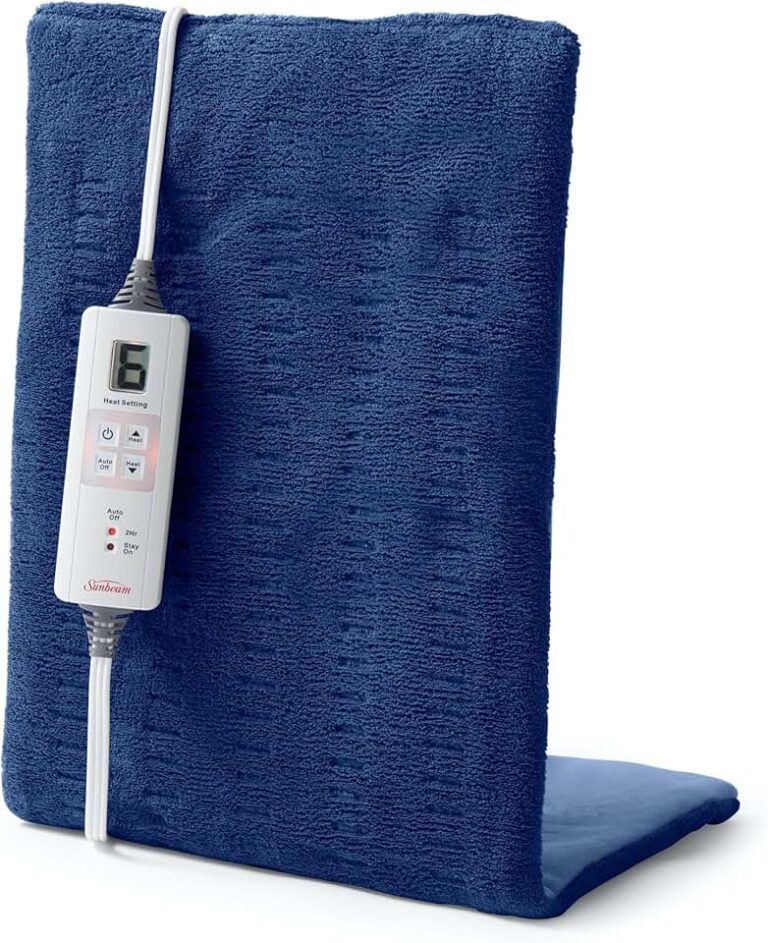
Sunbeam XpressHeat Heating Pad for Fast Pain Relief
Rapid heat-up time provides soothing warmth in 30 seconds.
Check Price on AmazonTypes of Heating Pads
Electric Heating Pads
Electric heating pads are the most common type. They plug into an outlet and provide adjustable heat settings. Many models come with automatic shut-off features for safety. Electric pads are ideal for consistent heat therapy and can be used for longer periods.
Microwavable Heating Pads
Microwavable heating pads are filled with materials like rice or flaxseed. They can be heated quickly in a microwave and provide a gentle, soothing warmth. These pads are portable and can be used anywhere, making them a great option for seniors who may not want to deal with cords.
Reusable Gel Heating Pads
Gel heating pads can be heated in the microwave or cooled in the freezer. They offer flexibility for both heat and cold therapy. These pads are often designed to mold to the body, providing targeted relief for sore muscles and joints.
What to Look for in a Heating Pad
Size and Shape
Consider the size and shape of the heating pad. Larger pads are useful for back pain or larger areas, while smaller pads are better for joints like knees and elbows. Look for shapes that can conform to the body for better coverage.
Heat Settings
Multiple heat settings allow you to adjust the temperature based on comfort. For seniors, it is essential to have lower settings for gentle warmth. Some models feature gradual heat increase, which is safer for sensitive skin.
Automatic Shut-Off
An automatic shut-off feature is crucial for safety. This feature prevents overheating and reduces the risk of burns. Look for pads that shut off after a specific time, such as 30 or 60 minutes.
Material and Comfort
The material of the heating pad affects comfort and usability. Soft, plush fabrics are more comfortable against the skin. Look for pads with removable covers that are machine washable for easy cleaning.
Portability
If you or your loved one plans to use the heating pad in different locations, consider its portability. Microwavable and battery-operated models are often more portable. Electric pads should have a long enough cord to allow movement.
How to Use a Heating Pad Safely
Read the Instructions
Always read the manufacturer’s instructions before using a heating pad. This ensures you understand how to operate it safely and effectively. Each model may have different guidelines for use.
Start on Low Settings
When using a heating pad for the first time, start on a low setting. This helps you get used to the heat and allows you to gauge its effectiveness without risking burns.
Use a Barrier
To protect sensitive skin, use a thin cloth between the heating pad and the skin. This barrier helps prevent burns and discomfort, especially for seniors with delicate skin.
Limit Usage Time
Limit the use of heating pads to 15-30 minutes at a time. Take breaks in between sessions to give your skin a rest. If using overnight, ensure the pad has an automatic shut-off feature.
Consult a Healthcare Provider
If you or your loved one have any health concerns, such as diabetes or circulatory issues, consult a healthcare provider before using a heating pad. They can provide guidance on safe usage tailored to specific conditions.
Practical Caregiver Advice
Setting Up the Heating Pad
When setting up the heating pad for a senior, ensure that it is in a comfortable position. Help them arrange it on the area of pain or discomfort. If using an electric pad, make sure it is plugged in safely and that the cord is not a tripping hazard.
Monitoring Usage
As a caregiver, monitor the usage of the heating pad. Check in on your loved one to ensure they are comfortable and not experiencing any adverse reactions. Keep an eye on the time to prevent prolonged use.
Educating About Safety
Educate your loved one about the safe use of the heating pad. Explain the importance of using it on low settings, taking breaks, and never using it while sleeping unless it has an automatic shut-off feature.
Incorporating into a Routine
Consider incorporating the use of a heating pad into a daily routine for pain management. Regular use can help alleviate discomfort and improve quality of life. Discuss with your loved one how they feel after each session to make adjustments as needed.
Conclusion
Heating pads can be an excellent addition to pain management for seniors. With various types available and features to consider, it is essential to choose the right one. By understanding the different options and following safety guidelines, you can ensure a comfortable and effective experience. Remember to consider our top pick when selecting a heating pad to meet your needs.