Is the RAZ Memory Cell Phone the Right Choice for Your Loved One?
For seniors dealing with memory loss or cognitive decline, staying connected with family can be both a challenge and a necessity. The RAZ Memory Cell Phone by RAZ Mobility is tailored for these situations, offering a simple and intuitive solution for seniors who might struggle with traditional smartphones. Its design focuses on ease of use, making it ideal for those who need only the essentials. If your parent or loved one is in need of a straightforward communication device without the clutter of unnecessary features, this could be the right fit.
Memory issues present unique challenges in communication, as even the simplest technology can become overwhelming. The RAZ Memory Cell Phone is crucial for ensuring that seniors with these challenges remain reachable. While many phones cater to tech-savvy users, this device eliminates complexity by focusing on the basics: calling and receiving calls. For a one-time cost of around $300, it’s a practical investment for families seeking peace of mind in maintaining regular contact with their aging relatives. Its simplicity is why we recommend it over more complicated alternatives.
Who This Is For (and Who It’s Not For)
This phone is particularly suited for seniors who have mild to moderate cognitive decline, such as those with Alzheimer’s or dementia. It’s ideal for users who primarily need a device to make and receive calls without the distraction of additional apps or features. If your loved one lives alone and might often forget the complexities of modern technology, this device offers an efficient way to stay connected.
If your family member already manages to use a smartphone effectively, this product might not add value. Those who frequently text, use social media, or require internet access would find this phone limited. Also, if you’re looking for a device with GPS tracking, particularly for wander-prone seniors, consider a more comprehensive device like the Jiobit Smart Tag, which offers location tracking features.
Why We Chose RAZ Mobility
The RAZ Memory Cell Phone stands out because of its singular focus on simplicity. Unlike alternatives like the Jitterbug Smart2, which still include numerous apps and features, the RAZ phone strips away all but the essentials. This makes it less overwhelming and more intuitive for seniors who might otherwise struggle with complex interfaces.
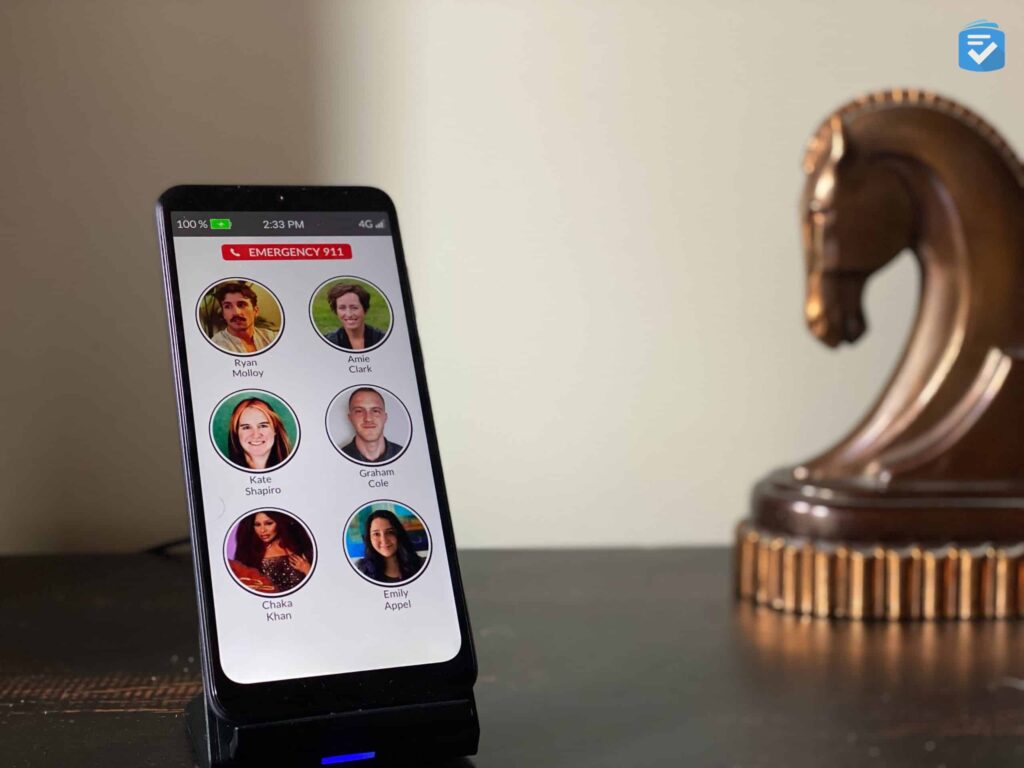
Another compelling reason is its photo-based contact system, which allows seniors to call their loved ones by simply tapping on a picture. This visual approach is more accessible than scrolling through names or numbers, particularly for users with declining memory. Additionally, the RAZ Memory Cell Phone has a loudspeaker option that ensures calls are clear and audible, addressing common hearing challenges.
Key Features That Matter for Seniors
Photo-Based Contact System: At the core of its design, the RAZ Memory Cell Phone uses pictures for contacts. With up to six contacts displayed as photos on the home screen, seniors can make calls by tapping a familiar face. This feature bypasses the need for remembering names or numbers, which is particularly useful for those with memory impairments.
Simple User Interface: The phone’s interface is stripped down to just the essentials,no apps, no text messaging, and no internet browsing. This focus allows users to concentrate solely on making and receiving calls, minimizing confusion and potential errors in operation.
Loudspeaker Option: A common complaint among seniors is the inability to hear conversations clearly. This phone comes equipped with a loudspeaker that enhances call clarity, making it easier for those with hearing difficulties to communicate effectively.
Easy-to-Press Buttons: With large, tactile buttons, the RAZ Memory Cell Phone addresses common dexterity issues. Seniors who may have arthritis or other fine motor skill challenges can use the device without frustration.
Dedicated Emergency Call Button: For added security, the phone includes a one-touch emergency button that can be programmed to dial a preferred contact. This ensures that help is only a button press away if needed.
Setup: What to Expect
Expect the physical setup of the RAZ Memory Cell Phone to be straightforward and quick. Unboxing and charging the device should take less than an hour. Once the phone is fully charged, it’s ready to be configured for use. Ensure you have a compatible SIM card; the phone works on GSM networks like AT&T or T-Mobile. Inserting the SIM card is simple and doesn’t require any special tools.
Configuring the phone involves setting up the photo contacts and testing its features. Family members or caregivers will need to upload photos for each contact through the RAZ Mobility online portal. This step is crucial as it allows the senior user to recognize each contact easily. Once configured, test each contact by making a call to ensure everything is set correctly. Caregivers should also test the emergency button to confirm it functions as expected.
What to Know Before Buying
While the RAZ Memory Cell Phone itself is a one-time purchase, it’s important to note that you will need a monthly service plan for it to function. This plan will vary depending on the carrier, so it’s advisable to check with providers like AT&T or T-Mobile for the best rates and to ensure coverage in your area.
Be aware that the phone does not support complex apps or internet browsing, which can be a limitation if your loved one occasionally needs these services. The battery life is sufficient for a day of normal use, but it’s best to charge the device nightly. Lastly, if replacement parts are required, such as a battery or charger, these are available through RAZ Mobility but may incur additional costs.