Is the Drive Medical 2-in-1 Raised Toilet Seat Worth It?
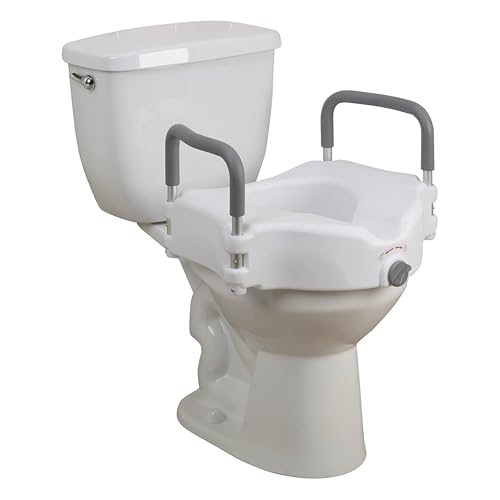
The Drive Medical 2-in-1 Raised Toilet Seat with Removable Padded Arms addresses a critical need for seniors who find it challenging to use standard height toilets safely. This product is particularly suitable for seniors who have difficulty bending or rising due to mobility limitations or joint pain. Our recommendation hinges on its affordability and versatility, offering a practical solution at a reasonable price of $39.
For many seniors, using the bathroom can become a significant concern as balance and strength decline. Falls in the bathroom are unfortunately common and can lead to serious injuries. This raised toilet seat helps mitigate that risk by adding extra height to the toilet, making it easier and safer to sit down and stand up. It’s an option that is both economically viable and beneficial for enhancing daily bathroom safety. This is why we picked the Drive Medical model as our top choice.
Who This Is For (and Who It’s Not For)
This product is ideal for seniors who require additional height on their toilet seat to reduce the strain of bending and rising. It’s especially helpful for those recovering from surgery or those with arthritis, as the padded arms provide extra support and leverage. If there’s a need for a simple, effective solution to make bathroom visits safer, this product fits the bill.
However, this seat is not suitable for those who need a more permanent, fixed solution or for users who weigh significantly more than the average. If your senior already has a full toilet frame or needs a bariatric solution, consider exploring more robust options designed to support additional weight or provide greater stability. Options like the Vive Toilet Safety Frame offer a more comprehensive support system.
Why This Beats the Alternatives
The Drive Medical 2-in-1 Raised Toilet Seat stands out due to its dual functionality. Unlike other models, it combines a raised seat with removable padded arms, offering flexibility in use. This can be a critical feature for those who might need arm support now but prefer a less obtrusive option later. Competitors like the Carex E-Z Lock Raised Toilet Seat lack this versatility.
Additionally, the simple attachment mechanism is a significant advantage. The Drive Medical seat can be easily secured to most standard toilets, unlike some competitors that require complex installation. Its lightweight design also means it can be moved or adjusted with minimal effort, making it superior in terms of portability and ease of use.
Key Features That Matter for Seniors
Adjustable Height: The seat adds approximately 5 inches of height, significantly reducing the distance seniors need to bend or rise. This can be crucial for those with knee or hip issues. The additional height makes getting on and off the toilet much less strenuous.
Removable Padded Arms: The padded arms provide comfortable leverage when sitting or standing. They are particularly useful for seniors with weak grip strength or those who benefit from upper body support.
Tool-Free Installation: No tools are needed to attach this seat to the toilet, making the setup process straightforward. This is ideal for seniors who might not want to bother with complex installations.
Durable Construction: Made from sturdy plastic, this seat offers reliable durability. It is designed to support a weight capacity that suits most users, though it’s always good to check the specific limits on the product page to ensure compatibility.
Universal Fit: This seat is designed to fit most standard toilet bowls, both round and elongated. This feature ensures that it can be used in a variety of homes without the need for extra purchases.
Setup: What to Expect
Setting up the Drive Medical 2-in-1 Raised Toilet Seat is straightforward. Start by removing any existing seat and lid from the toilet. Position the raised seat over the toilet bowl and align it properly. Press down until the seat securely attaches to the bowl. The entire process usually takes about 15 minutes and does not require any tools, making it manageable for most caregivers or even the senior themselves.
Once the physical setup is complete, test the seat for stability by gently shifting weight on it. If the user plans to use the padded arms, ensure they are securely locked in place. No apps or additional configurations are necessary, so you can focus solely on physical setup. This simplicity is beneficial as it reduces potential points of failure or confusion.
What to Know Before Buying
There are no ongoing monthly fees or subscription requirements with this product. However, it is important to periodically check the seat for signs of wear or any instability that might develop over time. If the seat becomes loose, tighten it according to the instructions to maintain safety.
Compatibility with the toilet is a key consideration. Although it fits most standard toilets, double-checking the measurements of your toilet bowl is advised to avoid misfits. Additionally, replacement parts are generally not necessary unless damage occurs, but knowing the cost and availability of replacement components can be useful for long-term planning.